
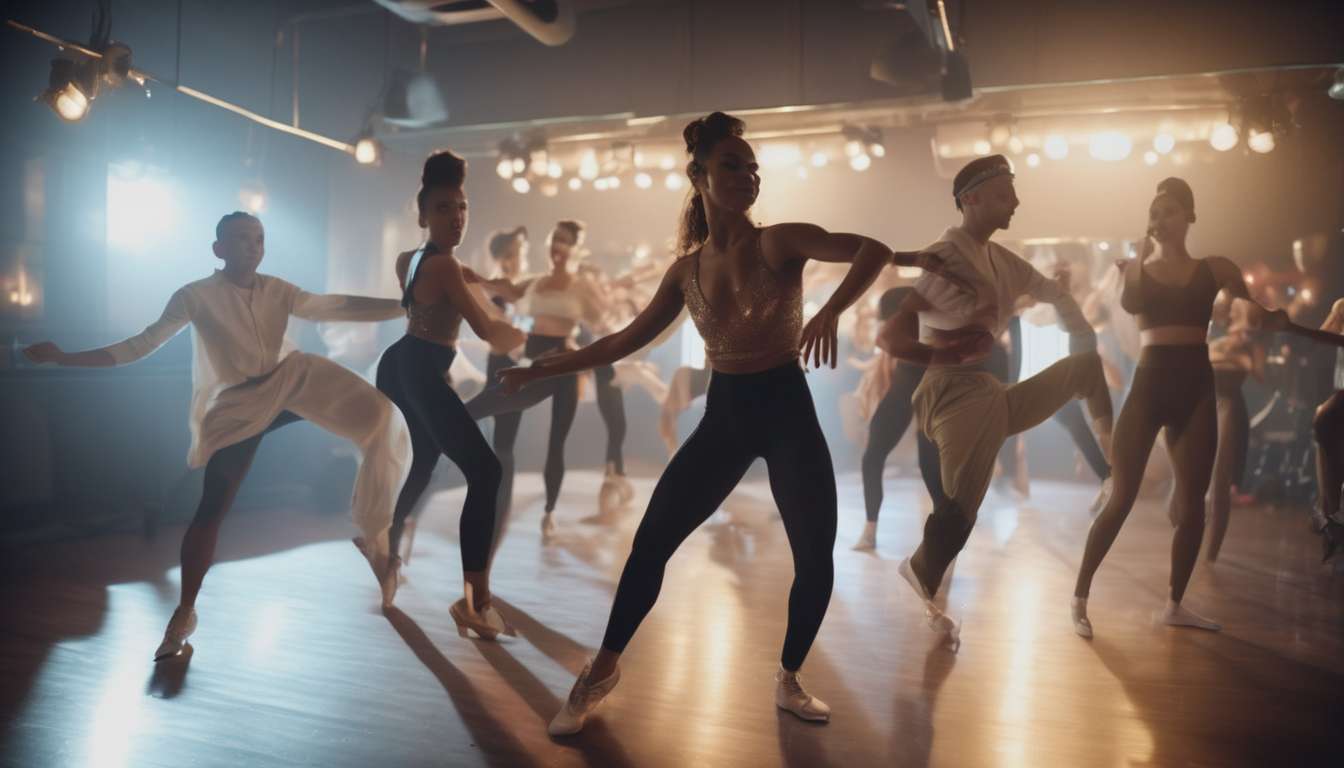
Briefly put, we believe that formal training transforms exotic dancing from a precarious hustle into a professional, safer, and more sustainable occupation.
We argue against the old notion that skill in this field is purely innate or learned haphazardly on the floor.
- Structured programs teach technique, injury prevention, conflict de-escalation, and business skills that empower performers.
We see clubs that invest in curricula reporting measurable improvements.
- Fewer accidents
- Higher retention
- Improved worker satisfaction
We acknowledge concerns that institutionalizing the craft could strip individuality.
- Our observations show that training often enhances artistic range and helps performers set boundaries without sacrificing creativity.
We insist that trainers, managers, and dancers can collaborate to design culturally sensitive, flexible modules.
- These modules should respect autonomy while raising standards.
As advocates and researchers, we explore how well-designed programs shift workplace culture and reduce exploitation.
- They create clearer pathways for professional growth within the adult entertainment industry.
- They promote safer, more sustainable working conditions.
Professional Skills Development
We teach dancers practical skills — stage presence, choreography, customer communication, and safety protocols — so they perform confidently and profitably.
We build curriculum that blends exotic dance training with real-world techniques, including:
- timing and transitions
- costuming
- audience reading
We practice together until routines feel natural, and we give honest, constructive feedback so everyone improves.
We include workplace safety as a core topic, covering:
- hazard awareness
- respectful guest interaction
- boundaries that protect dignity and earnings
These topics are taught without lecturing, emphasizing consent and performer control.
We emphasize communication skills that create rapport and repeat clientele while maintaining consent and boundaries.
Financial literacy rounds out professional development, covering:
- budgeting gig income
- tracking tips
- planning taxes
- saving for downtime
We provide templates and peer-led workshops so knowledge stays practical and communal.
By combining performance craft, safety-minded habits, and money management, we create a space where dancers grow skills, support one another, and turn artistry into sustainable work.
Safety and Injury Prevention
We prioritize practical injury prevention.
Key measures include:
- Warm-ups, strength and flexibility work
- Equipment checks for poles, rigging, and staging
- Clear, simple incident protocols
Goal: keep performers healthy and shows reliable.
We build routines into exotic dance training.
Training focuses on:
- Movement mechanics
- Partner awareness
- Progressive conditioning
Goal: everyone improves safely together.
We run regular equipment inspections and keep maintenance logs.
Process:
- Scheduled inspections for poles, rigging, and staging
- Documented maintenance logs
- Simple, nonjudgmental reporting for injuries or hazards
We create shared safety norms to build team cohesion.
Practices include:
- Teaching spotting techniques and floor management
- Rehearsing emergency responses for calm handling of incidents
- Encouraging peer support and transparent policies
We connect safety practices to financial well-being.
Why this matters:
- Fewer injuries mean steadier shifts and fewer lost wages
- Better planning for time off
- Encouraging documentation of work-related injuries and understanding workers’ rights
Conclusion:
By integrating practical training, transparent policies, and peer support, we strengthen workplace safety and keep everyone performing at their best.
Conflict De‑escalation Training
We teach clear, practical de‑escalation techniques so staff can calmly defuse conflicts and keep performers and patrons safe.
Training is scenario‑based and floor‑focused.
- We run role‑plays that mirror real moments on the floor.
- Exercises cover verbal scripts, neutral body language, and safe exit strategies.
- Role‑plays build muscle memory so responses become automatic and dignified.
Our approach centers on respect, predictable routines, and mutual accountability so everyone feels seen and supported.
We emphasize firm boundaries and empathetic listening.
- Staff learn how to interrupt harmful behavior before it escalates.
- Techniques balance firmness with empathy to protect dignity.
We teach reporting protocols and coordination with security to maintain workplace safety without shaming performers or guests.
We connect de‑escalation to financial stability (briefly).
- Fewer incidents lead to fewer work interruptions and more consistent paychecks.
- This is a concise nod to protecting livelihoods, not a substitute for business or financial training.
The result: a calmer environment where performers can thrive and patrons enjoy respectful entertainment.
Financial and Business Literacy
We teach practical money and business skills—budgeting, tax basics, contract review, and small‑business practices—so performers can make informed decisions and protect their incomes.
We focus on clear, usable financial literacy tied to the realities of exotic dance and venue work.
- We break down pay structures and tips reporting.
- We cover expense tracking and simple bookkeeping.
- We show how earnings translate to bills, savings, and goals.
We train contract reading and negotiation to improve safety and income stability.
- Learn to spot risky clauses.
- Practice negotiating fairer terms with managers and promoters.
- Use role‑plays to rehearse real conversations.
We provide practical templates and tools.
- Budgets and invoices.
- Emergency‑fund plans.
- Simple bookkeeping sheets.
We build collective power and a supportive community.
- By sharing skills, members strengthen bargaining power.
- By reducing exploitation, we promote safer working conditions.
- By leaving each session with a plan, members gain confidence to make business choices that sustain their careers.
Artistic Technique Expansion
We expand performers’ movement vocabularies and performance tools so they can develop new skills, diversify sets, and express clearer artistic intentions.
Focus: exotic dance training centered on technique—floorwork, pole dynamics, transitions, and musicality—so everyone feels confident and capable onstage.
Program elements:
- Drills that build strength and range.
- Critique sessions that normalize learning curves.
- Mentorship that honors individual styles while sharing proven methods.
We tie artistic work to workplace safety by teaching safe spotting, injury-prevention conditioning, and equipment checks as integral to creative practice.
We connect skills to livelihoods with practical modules on pricing, package-building, and tips management that link artistic choices to financial literacy.
Community practice:
- Group rehearsals and feedback circles where members support risk-taking and celebrate progress.
- A culture designed so no one trains alone.
By treating craft, safety, and money as connected, we build a community of artists who grow technically, protect their bodies, and secure their economic well-being.
Boundary Setting Practices
We’ll teach clear, enforceable boundary-setting practices that protect performers’ physical, emotional, and financial autonomy while keeping interactions professional.
We outline concrete scripts for consent, refusal, and de-escalation so everyone knows what’s acceptable and how to respond when lines are crossed.
In exotic dance training, we practice role-plays that normalize saying no, setting distance, and reclaiming space without shame.
We pair boundary skills with workplace safety protocols—alarm procedures, buddy systems, and reporting channels—so boundaries aren’t just personal rules but supported by venue policy.
We integrate financial literacy lessons that help performers set pricing, manage tips, and recognize exploitative offers, reinforcing economic autonomy as a boundary of its own.
By teaching consistent enforcement, peer support, and transparent consequences, we build a shared culture where respect is expected and upheld.
These practices create belonging through mutual care: everyone contributes to safer floors, clearer expectations, and dignity in the work we do together.
Manager and Trainer Collaboration
We align managers and trainers on clear goals, shared curricula, and regular feedback loops so instruction, policy, and floor oversight reinforce each other.
We build a workplace where everyone feels included by co-creating lesson plans that merge exotic dance training, workplace safety, and financial literacy into practical sessions.
We meet weekly to review progress, update modules, and discuss floor incidents so responses are consistent and compassionate.
We mentor trainers in communication skills and managers in teaching techniques, ensuring feedback is constructive and aimed at growth.
We keep materials accessible — simple checklists, short role-plays, and money-management exercises — so knowledge sticks and can be used on shift.
We involve performers in curriculum design, honoring lived experience and creating mutual ownership.
We track attendance, follow up with one-on-one coaching, and rotate trainer-manager pairings to strengthen relationships.
We celebrate improvements publicly to reinforce belonging and shared responsibility, while responding quickly to concerns so safety, dignity, and economic empowerment remain central to daily practice.
Measuring Program Impact
We track both quantitative and qualitative indicators so we can measure whether training improves safety, earnings, and workplace culture.
We collect attendance and completion rates for exotic dance training, monitor incident reports related to workplace safety, and record changes in pay and tip patterns to quantify economic impact.
We also gather testimonials, focus-group feedback, and anonymous surveys so dancers and staff can describe shifts in respect, inclusion, and daily routines.
We analyze these data regularly, comparing baseline metrics to short- and medium-term outcomes, and we share clear dashboards with everyone so results feel communal rather than top-down.
We include financial literacy modules in outcome measures by testing practical budgeting and income-management behaviors before and after training.
We use mixed methods — numbers to show trends and stories to show lived change — and we iterate based on what both kinds of data tell us.
That keeps improvement collaborative, transparent, and grounded in the real priorities of the people who work here.
How do training programs address dancers’ mental health, including stress, anxiety, and burnout, beyond physical safety and boundaries?
We’re asking how training programs tackle mental health—stress, anxiety, burnout—beyond physical safety.
We build peer support networks, teach coping skills like grounding and breathwork, and normalize talking about emotions.
We offer access to counselors, regular check-ins, workload planning, and boundaries around shifts.
We create inclusive spaces where folks feel seen, share resources for sleep and nutrition, and train managers to spot signs of burnout and act compassionately.
Are there certifications or formal accreditations available for instructors who run these training programs, and how are instructor qualifications verified?
Do certifications or formal accreditations exist for instructors, and how are qualifications verified?
Short answer: Yes — some instructors hold formal certifications, while others demonstrate qualifications through experience and reputation. Verification combines document checks, references, and observations.
Types of credentials commonly seen:
- Dance, fitness, or movement certificates from colleges or vocational programs.
- Counseling or mental-health-related credentials from accredited institutions.
- Trauma-informed care or similar specialty certificates from nonprofits or industry groups.
- Professional development certificates from recognized industry associations.
How qualifications are verified:
- Document verification.
- Reference checks.
- Portfolio review (recordings, lesson plans, testimonials).
- Periodic peer observations.
- Student feedback and evaluations.
Our prioritization for trustworthy, inclusive training environments:
- We prioritize instructors with documented credentials and vetted references.
- We require periodic peer observations or co-teaching reviews to ensure teaching quality and inclusivity.
- We incorporate regular student feedback to catch issues and guide ongoing professional development.
Bottom line: We value formal certifications when present, but also recognize proven competence demonstrated through portfolios, references, and observed teaching — and we use a combination of verification steps to maintain safety, quality, and inclusivity.
What measures are taken to protect participant privacy and confidentiality during training sessions, especially when sensitive personal experiences are discussed?
We prioritize participant privacy and confidentiality during training sessions, especially when sensitive personal experiences come up.
We set clear ground rules, use consent forms, and limit attendance to trusted members.
We avoid recording without explicit permission, anonymize shared stories, and provide private breakout options.
We train facilitators in trauma-informed practices and securely store any written materials.
We also offer one-on-one follow-ups and respect requests to omit identifying details.
Conclusion
You’ve seen how training programs boost professionalism, safety, and creativity in exotic dancing workplaces.
By learning injury prevention, conflict de‑escalation, financial literacy, artistic technique, and clear boundary setting, you’ll feel more confident and respected on the job.
When managers and trainers collaborate and you track outcomes, programs keep improving.
Embrace training as a tool that protects your wellbeing, advances your craft, and strengthens workplace standards so you can thrive personally and professionally.