
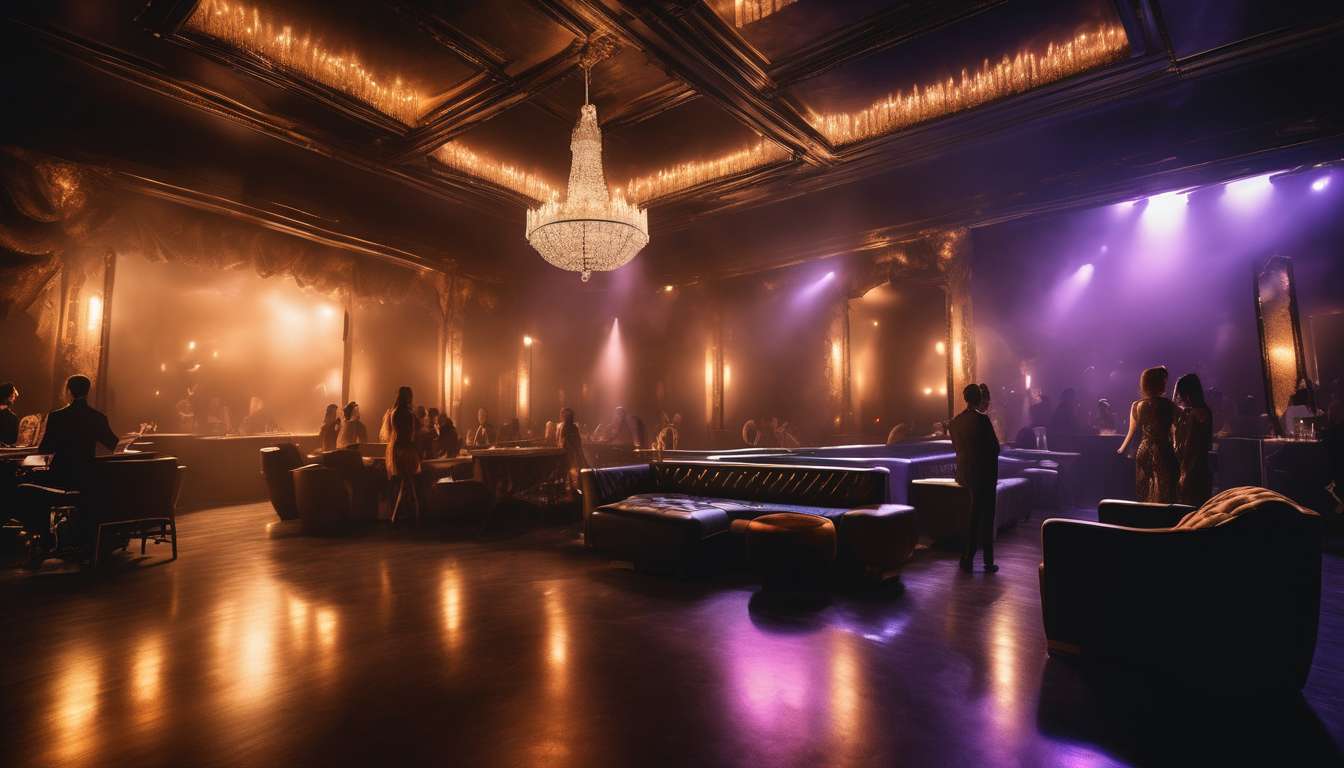
Luxury should not be the only measure of a great exotic dancing venue; it is often a distraction from the core standards that truly shape performers’ and patrons’ experiences.
We focus on how clear safety protocols, transparent pricing, respectful staff policies, and thoughtfully designed spaces create environments where artistry and business thrive together.
We reject the idea that spectacle alone defines value and instead outline benchmarks that elevate professionalism, protect wellbeing, and sustain long-term success.
Our perspective is informed by performers, managers, and regulars who prioritize dignity and predictability over flash.
We consider the following operational markers as equally important measures of excellence:
- Accessibility
- Sound and lighting quality
- Contractual clarity
- Sanitation
By redefining quality in operational terms, we aim to guide venue operators, policymakers, and patrons toward practices that foster creativity, economic stability, and safer workplaces.
In this piece, we map the concrete standards that distinguish exemplary venues from those that merely trade on image.
Safety Protocols and Training
Establish clear safety protocols and regular training so staff and performers can prevent and respond to incidents effectively.
Create a culture where performer safety is nonnegotiable.
- Everyone learns de-escalation, emergency procedures, and respectful boundaries.
- Emphasize that safety practices make everyone feel protected and respected.
Run consistent drills and refreshers, and encourage open reporting without fear of retaliation.
- Schedule routine drills and training refreshers.
- Promote confidential, non-punitive reporting channels to increase belonging and trust.
Design spaces with accessibility and safety in mind.
- Include ramps, clear sightlines, safe stage edges, and well-lit exits.
- Ensure colleagues and guests of all abilities can move confidently.
Set caregiver and shift policies that prevent exhaustion and prioritize mental health.
- Implement limits on consecutive shifts and provide adequate rest breaks.
- Offer mental health resources and normalize self-care as team care.
Track incidents and share lessons learned in routine meetings.
- Maintain an incident log and analyze data for trends.
- Use findings to refine protocols and trainings.
Partner with local medical and security professionals for periodic reviews.
- Arrange regular audits and updated recommendations from experts.
- Incorporate external feedback into standards and emergency plans.
Communicate expectations clearly at hire and during onboarding.
- Provide accessible documentation of protections and procedures.
- Ensure every person knows how to access support and report concerns.
Transparent Pricing Practices
We’ll publish clear, itemized prices and fees so guests and performers always know what to expect.
We make transparent pricing a core value.
- We will post cover charges, tip expectations, private room rates, and service fees where everyone can see them.
- This reduces confusion, builds trust, and reinforces performer safety by preventing hidden charges that can create awkward confrontations or pressure.
We communicate refund and cancellation policies plainly and train staff to explain options compassionately.
- Staff training will emphasize respectful, inclusive explanations so everyone feels respected and included.
- Policies will be written in plain language and made easy to find.
Our pricing structure aligns with accessible design principles.
- Digital menus will follow readability standards.
- Physical signage will use high-contrast fonts.
- Staff will offer verbal explanations on request.
- These measures help patrons with different needs participate comfortably.
We regularly review pricing with performers and community advisors to ensure fairness and clarity.
- Pricing will be adjusted when needed based on feedback.
- By centering transparent pricing alongside accessible design and performer safety, we create a welcoming space where everyone — guests and performers alike — belongs, understands expectations, and can enjoy the experience without surprises.
Performer Contracts and Rights
We’ll create clear, fair contracts that protect performers’ rights, outline payment and shift terms, and set enforceable boundaries around consent, privacy, and workplace conduct.
We’ll write terms in plain language so everyone understands pay splits, tip handling, and expectations for cancellations and schedule changes.
We’ll make performer safety central.
- Security presence requirements.
- Incident reporting procedures.
- Protocols for handling harassment or assault.
We’ll guarantee transparent pricing disclosures to patrons so performers aren’t penalized by surprise fees or opaque house charges.
We’ll include parity provisions so independent contractors and staff enjoy consistent access to resources.
- Dressing rooms and lockers.
- Mental health supports and other shared resources.
We’ll specify data privacy protections for performers’ personal information and limits on photography or recording without explicit consent.
We’ll set dispute-resolution paths that favor mediation and prompt remedies, not punitive measures.
We’ll review contracts regularly with performer input and offer clear exit terms, ensuring everyone feels respected, supported, and able to build trust in their workplace.
Accessible Venue Design
We’ll design venues so everyone—performers and patrons alike—can access stages, seating, restrooms, and backstage areas with dignity and independence.
We prioritize accessible design that removes physical and social barriers:
- Ramps and lifts to stages
- Clear sightlines from varied seating heights
- Gender-neutral and fully accessible restrooms
- Wide, navigable backstage routes
We commit to performer safety by ensuring:
- Non-slip flooring
- Safe stage edges
- Well-lit transitions
- Private changing zones
Our policies will center respect, with staff trained in inclusive etiquette and de-escalation so every person feels welcome and secure.
We’ll publish transparent pricing for admission, seating tiers, and private areas so guests know what to expect and performers understand fee structures tied to their work.
We’ll solicit regular feedback from performers and patrons with disabilities, then iterate on design and policy.
By combining practical infrastructure, clear communication, and continuous collaboration, we build venues where belonging isn’t optional — it’s designed into every aspect of the experience.
Sound and Lighting Standards
Sound and lighting standards — evidence-based and protective.
We’ll set clear, evidence-based sound and lighting standards that protect hearing, enhance visibility, and support artistic expression for performers and patrons alike.
Performer safety and sound controls.
- We prioritize performer safety by specifying maximum continuous and peak sound levels.
- We will provide on-stage monitoring and require technical training for staff so every artist feels secure and respected.
Lighting guidelines that balance ambiance with visibility.
- Adjustable stage lux levels to suit performance needs.
- Glare reduction and programmable cues that honor choreography and individual needs.
- Accessible design elements such as tactile indicators and non-strobe options.
Transparent pricing and predictable experiences.
- We commit to transparent pricing for any premium lighting or sound experiences so dancers and guests know costs upfront and trust venue practices.
Maintenance, reporting, and accountability.
- Routine equipment maintenance and documented checks.
- Clear incident reporting procedures to maintain consistent standards.
- Regular audits and community input, with outcomes shared publicly to build collective ownership.
Outcome — inclusive, measurable standards.
By combining measurable technical specifications with inclusive policies, we create spaces where creativity thrives and everyone feels seen, heard, and safe.
Cleanliness and Sanitation Measures
We’ll enforce strict, evidence-based cleaning protocols and sanitation schedules to protect health, prevent infections, and ensure every space — from stages to restrooms — stays hygienic and welcoming.
We’ll train staff and performers on hand hygiene, surface disinfection, and safe handling of shared props so performer safety is never compromised.
We’ll publish clear cleaning checklists and timetables so patrons and team members can see our transparent pricing reflects the higher standards and operational costs of maintaining a pristine venue.
We’ll choose hospital-grade, skin-friendly disinfectants and replace linens, cushions, and removable coverings on a routine cadence.
We’ll design bathrooms, backstage areas, and common rooms with accessible design principles, ensuring everyone feels included and can use facilities without barriers.
We’ll monitor ventilation, provide touch-free fixtures where possible, and log inspections digitally for accountability.
We’ll invite feedback from performers and patrons, respond promptly to concerns, and update protocols with emerging public-health guidance so our community can rely on consistent, respectful, and measurable cleanliness standards.
Staff Conduct and Enforcement
Establish clear codes of conduct and consistent enforcement procedures so staff behavior upholds professionalism, safety, and respect for performers and patrons.
Set expectations that prioritize performer safety and dignity, outline prohibited actions, and define escalation steps for incidents.
Train staff in:
- de-escalation techniques,
- trauma-informed responses,
- accessible design awareness
so venues feel welcoming to everyone.
Enforce rules consistently with documented reporting channels, impartial investigations, and fair disciplinary measures.
Make policies visible and understandable, link them to transparent pricing and service terms, and provide patron education to reinforce boundaries.
Foster a team culture where people support one another, report concerns without fear, and receive regular feedback and refresher training.
Audit enforcement outcomes, collect anonymous input from performers and guests, and adjust practices based on evidence.
Hold ourselves accountable to the community we serve, ensuring conduct systems protect wellbeing, sustain trust, and create an inclusive environment where belonging is real and safety is nonnegotiable.
Economic Sustainability Models
Diversified revenue strategies and performer protections
We balance cover charges, beverage sales, private bookings, merchandise, and digital tipping to reduce reliance on any single income stream.
Balanced income streams protect performers by implementing clear payout structures so performers know earnings expectations, which helps minimize pressure to take risks for income and supports wellbeing.
Transparent customer pricing
We prioritize transparent pricing—menus, stage fees, and tip policies are clearly visible—to foster trust and a shared sense of belonging among patrons and performers.
Reinvestment in people and safety
We reinvest a portion of profits into staff training, security, and healthcare stipends, aligning fiscal responsibility with community care.
Accessible design and inclusive attendance
We apply accessible design in renovations to welcome patrons and performers of varied abilities, increasing attendance and loyalty.
Operational cost controls
- Energy efficiency measures
- Negotiated vendor contracts
- Staffing models that prevent burnout while maintaining service quality
These controls reduce overhead without compromising experience or safety.
Regular measurement and rapid adjustment
We track key metrics monthly:
- Revenue mix
- Performer take-home pay
- Incident reports
We use these metrics to adjust rapidly and maintain a sustainable, inclusive venue that values people as well as profit.
What are the typical career paths and opportunities for dancers who want to move into management, choreography, or business ownership within the exotic dancing industry?
Career paths for dancers moving into management, choreography, or ownership often begin by expanding skills beyond performing.
Advance by learning floor management and mentoring newer performers.
- Gain practical experience supervising shifts and coordinating stage schedules.
- Mentor newer performers to develop leadership and communication skills.
Build a professional portfolio for choreography and creative roles.
- Create choreography reels that showcase range, style, and teaching ability.
- Offer workshops or small-group classes to demonstrate instructional skills.
Acquire business and hospitality knowledge.
- Take courses in hospitality, business management, or entrepreneurship.
- Learn basics of payroll, scheduling, inventory, and venue operations.
Network strategically with industry professionals.
- Connect with promoters, lawyers, and accountants to build a support team.
- Seek internships, assistant manager roles, or shadowing opportunities to gain on-the-job experience.
Consider partnerships for club ownership.
- Partner with trusted peers who bring complementary skills (finance, operations, marketing).
- Develop a clear partnership agreement outlining roles, responsibilities, and exit terms.
Protect rights and negotiate contracts.
- Learn contract basics and your legal rights as an artist and employee.
- Consult a lawyer before signing agreements and keep records of negotiations.
Create inclusive workplaces that reflect community values.
- Implement policies that promote safety, respect, and diversity.
- Foster an environment where performers have voice and access to resources.
How do venues handle disputes between performers and private clients that occur off-premises but originate from interactions at the club?
We treat off-premises disputes seriously when they stem from club interactions, and we support performers while protecting our community.
We document incidents, review surveillance and logs, and offer mediation or legal referrals.
We enforce contracts and codes of conduct, bar repeat offenders, and cooperate with law enforcement when needed.
We prioritize safety, confidentiality, and restorative processes so everyone feels respected and included.
Are there common mental health resources or peer-support networks specifically tailored for exotic dancers, and how can performers access them confidentially?
We see the question about mental health supports for exotic dancers and know many resources exist.
Peer support and in-person groups:
- Trusted coworkers and coworkers’ peer groups can offer immediate emotional support and practical advice.
- Union contacts and industry-led groups often run confidential peer meetings and can connect members to specialized services.
Hotlines and anonymous services:
- Hotline services and anonymous online forums provide 24/7 listening and crisis support without revealing identity.
- Anonymous online communities can be useful for sharing experiences and coping strategies in a low-risk way.
Professional counseling with privacy protections:
- Therapists who offer sliding-scale fees or coded referrals through clubs can make therapy affordable and discreet.
- Industry-led counseling programs typically respect confidentiality and may tailor approaches to dancers’ needs.
Nonprofit and outreach programs:
- Nonprofits often provide discreet intake processes and outreach specifically for sex workers and dancers.
- These programs may offer counseling, legal help, housing referrals, and connections to healthcare.
How to connect safely and protect privacy:
- Reach out through trusted coworkers or union contacts to verify services before sharing personal details.
- Use private messaging or secure channels when contacting providers.
- Prefer services that explicitly state confidentiality, anonymous intake, or coded referral options.
If you’d like, I can:
- Find local or national hotlines and resources relevant to your area.
- Draft a private message template to use when contacting coworkers or providers.
- List organizations that specialize in support for sex workers and exotic dancers.
Conclusion
You’ve seen how modern exotic dancing venues raise the bar: they prioritize safety, fair pay, clear pricing, and performer rights while designing accessible, clean, well-lit spaces with professional sound.
Staff are trained to enforce standards respectfully, and venues adopt sustainable business models that balance profitability with ethical practice.
These benchmarks don’t just improve experiences — they protect people, build trust, and prove that professionalism and entertainment can, and should, go hand in hand.