
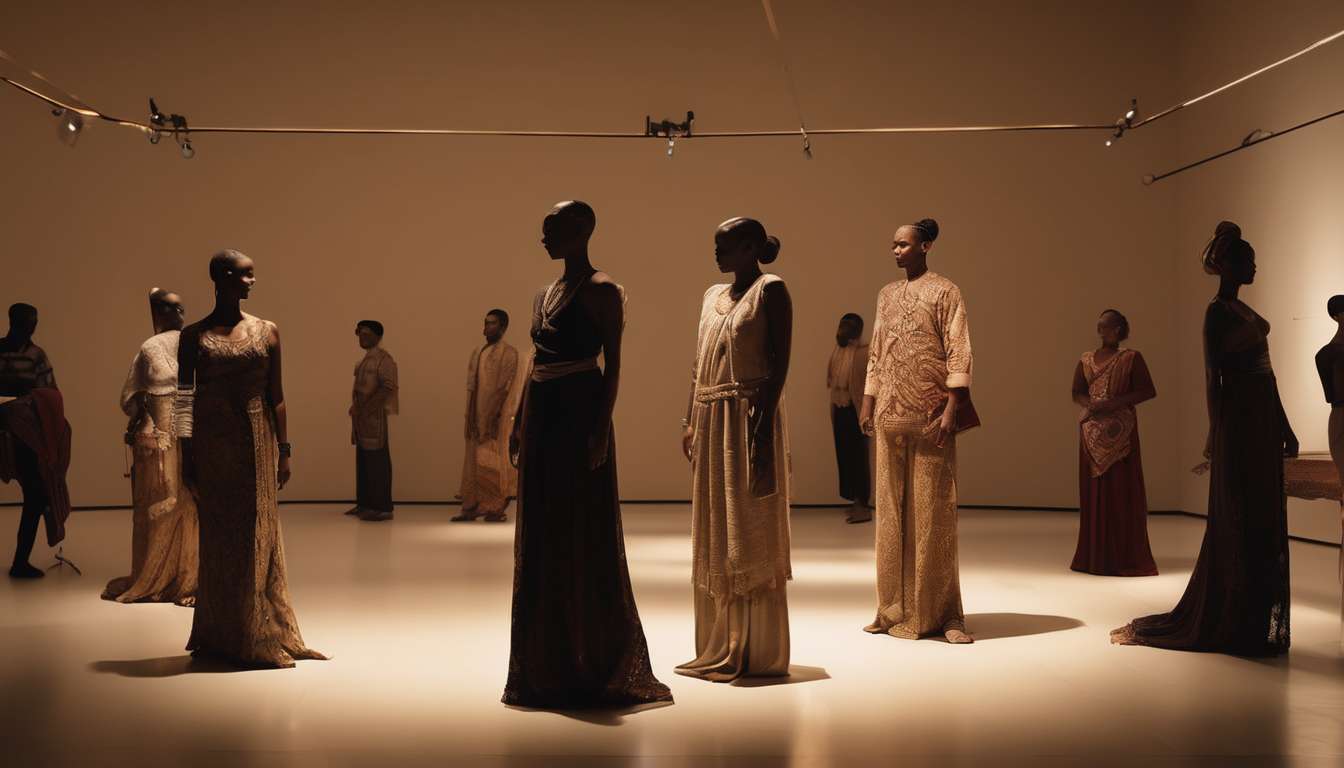
Our first visit to a dimly lit club felt like stepping into a living study. We scribbled impressions, watched rhythms of exchange, and listened as stories unfolded between sets.
We were there not to judge but to observe how dancers, patrons, and staff negotiated identity, labor, and spectacle within a charged social space. The anthem of neon and bass became a backdrop to conversations about autonomy, stigma, and community—conversations that revealed as much about observers as performers.
As cultural researchers, we recognized patterns.
- Language framed exotic dancing as both transgressive and transactional.
- Policies shaped worker safety.
- Audiences’ gazes mixed admiration, desire, and moralism.
This article traces our ethnographic path through clubs, interviews, and archival materials to explore how meanings around exotic dancing form, shift, and resist easy categorization.
We aim to illuminate complexities rather than flatten them, foregrounding voices often relegated to the margins of cultural discussion.
Ethnographic Framework
To ground our analysis, we situate exotic dancing within an ethnographic framework that emphasizes embodied practice, social context, and the researchers’ reflexive engagement.
Ethnography as method:
- We center ethnography because it lets us learn alongside performers, sharing space and listening for meanings that quantitative measures miss.
- This approach prioritizes lived experience, practices, and the sensory, bodily aspects of work.
Stigma and interpretation:
- We acknowledge stigma openly, naming how judgment shapes dancers’ narratives and our own interpretive choices.
- We commit to countering simplistic labels by presenting nuanced accounts that reflect complexity.
Labor and safety as analytic concerns:
- We treat labor-safety as a core concern, documenting how workers navigate hazards, negotiate boundaries, and deploy collective strategies for protection.
- This includes attention to both individual tactics and organizational or peer-based protections.
Care, solidarity, and belonging:
- We attend to relationships of care and solidarity that foster belonging among participants.
- We argue that belonging grounds ethical fieldwork and strengthens trust between researchers and communities.
Positionality and power dynamics:
- By reflecting on our positionality and the power dynamics in settings we enter, we aim to produce findings that respect participants’ dignity and practical needs.
- Reflexivity shapes how data are collected, interpreted, and presented.
Collaboration and accountability:
- We share interpretations with those we study.
- We adjust claims when community feedback calls for revision.
Overall commitment:
We adopt a collaborative, accountable ethnographic stance that foregrounds embodied practice, labor-safety, care, and reflexive ethics to produce respectful, nuanced knowledge.
Club Atmosphere Observations
We note how lighting, music, layout, and crowd flow shape performers’ movements, interactions, and strategies for managing space and safety.
In our ethnography, we sit with workers and regulars, documenting routines that create belonging while also revealing pressure points.
We describe how dim corners, spotlighted stages, and shifting playlists cue choreography, negotiation, and brief retreats to safer zones.
Observing crowd patterns helps us map where workers feel empowered versus exposed, and how informal signals lessen stigma within the room even when broader society otherizes the work.
We emphasize practical adjustments that reduce risk and enhance labor-safety without disrupting warmth:
- Placement of security
- Drink service paths
- Staff communication
Our writing centers collective care: shared codes, quick check-ins, and seat arrangements that foster connection.
By focusing on concrete observations, we show how atmosphere isn’t just backdrop but an active component in creating respectful, safer spaces where people can gather and feel seen.
Performer Identities
We trace how performers craft and claim identities on and off stage, blending personal histories, stage personas, and strategic presentation to navigate belonging, income, and respect.
We describe, through ethnography, how dancers negotiate labels—artist, worker, caretaker—and how those choices push back against stigma while building supportive networks.
We observe routines that protect privacy and cultivate community:
- shared dressing-room rituals
- mentorship
- negotiated language that affirms worth
We highlight how identity work ties to economic realities, showing that presentations aren’t mere performance but pragmatic strategies for sustaining livelihoods and safety.
We note the centrality of labor-safety practices—closed communication, signal systems, and boundary-setting—that reinforce identity as both profession and protected space.
We listen for how performers reclaim narratives, using storytelling and collective memory to resist stereotypes and claim dignity.
We center mutual recognition, showing how identity formation is social, adaptive, and purposeful, offering readers pathways to empathy and belonging rather than voyeurism or judgment.
Patron Perspectives
We ask how patrons see and shape the club—what they seek, how they interpret performances, and how their expectations influence dancers’ choices and venue norms.
We listen closely in our ethnography to conversations at tables, the rhythms of tipping, and the small rituals that create camaraderie.
We note how patrons negotiate intimacy and respect, seeking connection while managing private boundaries.
We observe how stigma follows both patrons and performers, shaping self-presentation and interactions.
- Some patrons downplay attendance.
- Others embrace the space as refuge.
We consider how expectations about appearance, humor, and consent guide nights and how those shared norms make people feel included or excluded.
We’re attentive to how patrons’ stories of care and concern intersect with practical questions about labor-safety—without prescribing policies here; those institutional responses belong to the next section.
By centering patrons’ voices alongside performers’, we aim to portray a community negotiating judgment, desire, and mutual dignity.
We highlight how the community fosters belonging while acknowledging power imbalances and everyday negotiations.
Labor and Safety Policies
We examine how clubs’ formal rules and everyday practices shape dancers’ safety, earnings, and agency.
In our ethnography we trace policies—door fees, stage time allocations, tipping rules—and how they’re enforced.
- We show how labor-safety measures often coexist with profit-driven norms that can dilute protections.
We document where clubs provide safety resources (escorts, panic buttons, security staffing, clear complaint procedures) and where gaps remain.
- Where gaps exist, dancers frequently rely on peer networks for protection and support.
By centering dancers’ voices, we describe collective strategies that supplement official protections and foster belonging.
- Examples include:
- Shift swaps
- Informal signaling
- Shared transport
We analyze how managerial practices can restrict agency through arbitrary fines, opaque split systems, and punitive scheduling.
- These practices undermine predictable income and wellbeing and can reproduce power imbalances that heighten vulnerability.
We pay attention to how stigma around exotic dancing influences policy implementation.
- Venues sometimes prioritize appearance over safety to appease clients, affecting how rules are applied.
Our analysis aims to inform policies that respect performers’ autonomy, strengthen labor-safety standards, and build solidarity across the community.
Language and Stigma
Across our interviews and observations, language both reflects and reproduces the moral judgments dancers face, shaping how they describe their work, negotiate boundaries, and seek support.
We notice that specific words are used strategically. Terms like choice, performance, and community are often invoked to claim dignity and professionalism, while euphemisms and slurs serve to mark out exclusion and shame.
Stigma becomes woven into everyday talk. Conversations between coworkers, managers, and patrons can frame safety concerns as personal failings rather than structural problems, which allows harassment and unsafe conditions to be minimized or ignored.
Naming labor‑safety problems matters. When people call out harassment, wage gaps, or unsafe spaces in plain terms, it enables collective responses and accountability.
Language can also build care and solidarity. Phrases that validate experience, invite help, and resist shaming create supportive networks and encourage mutual aid.
We invite readers to join this practice.
- Listen carefully to how workers describe their experiences.
- Adopt respectful, specific terms when discussing labor and safety.
- Support policies and conversations that dismantle stigma and prioritize clear labor‑safety protections for all who do this work.
Archival Traces
We trace how ephemeral performances leave material and digital traces—posters, playlists, receipts, messages, and images—that shape how exotic dancing is remembered, policed, and preserved.
In our ethnography we collect these artifacts not to exoticize but to map networks of care and constraint.
These traces reveal patterns:
- which songs recur
- which shifts generate cash receipts
- which messages document disputes over tips or safety
We see how archival records are double-edged—offering evidence of artistry and labor while also recording encounters with stigma and surveillance.
By carefully describing provenance and context, we resist reductive narratives and attend to workers’ accounts about:
- labor-safety practices
- venue rules
- informal supports
We consolidate materials that center participants’ voices, so people who’ve been marginalized feel seen and validated rather than scrutinized.
Our archive aims to be accessible, annotated, and accountable: a resource for researchers, advocates, and community members seeking belonging, dignity, and practical improvements in how exotic dancing is understood and governed.
Community Resistance
Across sites, we organize collective responses—door-keepers, dancers, managers, and allies—who push back against surveillance, unsafe practices, and exploitative policies.
We draw on ethnography to map how stigma is produced and how it shapes daily routines, tip-sharing, and gatekeeping.
We form peer-led safety teams that negotiate with venues and local authorities to institutionalize labor-safety measures:
- clear incident reporting
- sanitary spaces
- predictable schedules
We hold regular skill- and rights-based workshops that build trust and reduce isolation, translating research findings into accessible practices.
We document success stories and constraints in participatory reports so our strategies are legible to policymakers and meaningful to one another.
We prioritize mental health supports and restorative responses over punitive ones, recognizing stigma’s emotional toll.
We cultivate alliances with workers in adjacent sectors, creating mutual aid networks that reinforce bargaining power.
We insist that ethnography center our voices, not as objects of study but as co-authors of change, so belonging becomes structural, not conditional.
How do local zoning laws and municipal licensing specifically shape where and how exotic dance venues operate in this city?
Zoning and location rules limit where exotic dance venues can locate.
We navigate setback rules, distance buffers from schools, churches, and other sensitive uses, and commercial zoning classifications that restrict neighborhoods where venues are allowed.
Licensing and permits set specific operational conditions.
We obtain conditional use permits or similar approvals, pay licensing fees, and comply with renewal and record-keeping requirements.
Security, age verification, and staffing rules are mandatory.
We meet requirements for security personnel, ID checks to ensure patrons are of legal age, and staff training or background checks where required.
Operational limits and signage restrictions control how venues run.
We follow hours-of-operation limits, restrictions on advertising and on-site signage, and rules governing alcohol service if applicable.
Ongoing inspections and enforcement ensure compliance.
We work with city inspectors and code enforcement, respond to complaints, and address violations promptly to keep venues operating safely and legally.
What are the typical economic arrangements between performers and club owners (e.g., wage structures, tip-sharing, percentages), and how do these affect performers’ financial stability?
Summary of typical pay setups and how they affect income stability
Flat hourly wages
- Performers receive a guaranteed hourly rate from the club.
- Pros: Predictable income, easier personal budgeting, protection on slow nights.
- Cons: May limit upside on busy nights; clubs bear more payroll risk.
Door or stage fees paid by performers
- Dancers pay a fee to work a shift or to use the stage.
- Pros: Clubs get revenue regardless of sales; performers can access shifts when demand is high.
- Cons: Increases financial risk for performers, especially on slow nights; makes earnings highly variable.
Tip-based earnings with owner percentage or house fees
- Performers keep tips but owners take a cut of sales, charge house fees, or keep a percentage of revenue.
- Pros: Potential for high earnings on busy nights; incentives for performers to sell more.
- Cons: Erodes take-home pay, introduces unpredictability, and reduces net income after fees.
How these models shape stability
- Tip-heavy systems: Reward busy nights but create large income swings and gaps between good and bad nights.
- Fee/split systems: Shift revenue to the club and reduce performers’ net pay, complicating steady budgeting.
- Hourly wages: Offer the most stability but cap earning potential and transfer revenue risk to the club.
Net effect:
- Each model balances incentives and risk differently. Performers face trade-offs between predictability and upside, while clubs balance payroll risk against revenue certainty.
- For performers, mixed models (for example, a base hourly wage plus tips) often provide a compromise: some guaranteed stability plus upside on busy nights.
Are there documented cases of successful legal or policy changes initiated by dancers or advocates in this community, and what strategies did they use?
We’ve won legal and policy changes by securing wage protections, overturning tip-forfeiture rules, and achieving zoning or licensing reforms that benefit dancers and allies.
We built broad coalitions with labor unions, legal aid providers, and community organizations to amplify power and resources.
We used multiple strategies to create change:
- Strategic litigation to challenge unlawful practices and set legal precedent.
- Public campaigns and storytelling to shift public opinion and build sympathy.
- Strikes, petitions, and direct pressure on club owners to force negotiations and compliance.
We centered peer leadership and mutual aid to sustain momentum, ensure accountability, and protect members during campaigns and after victories.
Conclusion
You leave the club having seen more than spectacle: you’ve traced how atmosphere, identity, labor rules, language and archives shape dancers’ lives and patrons’ views.
You recognize stigma’s weight but also performers’ strategies and community resistance.
That knowledge asks you to:
- Listen.
- Question policies.
- Support safer, dignified work.
Carry these insights into research and everyday conversations so exotic dancing is understood as complex cultural labor, not merely sensational entertainment.