
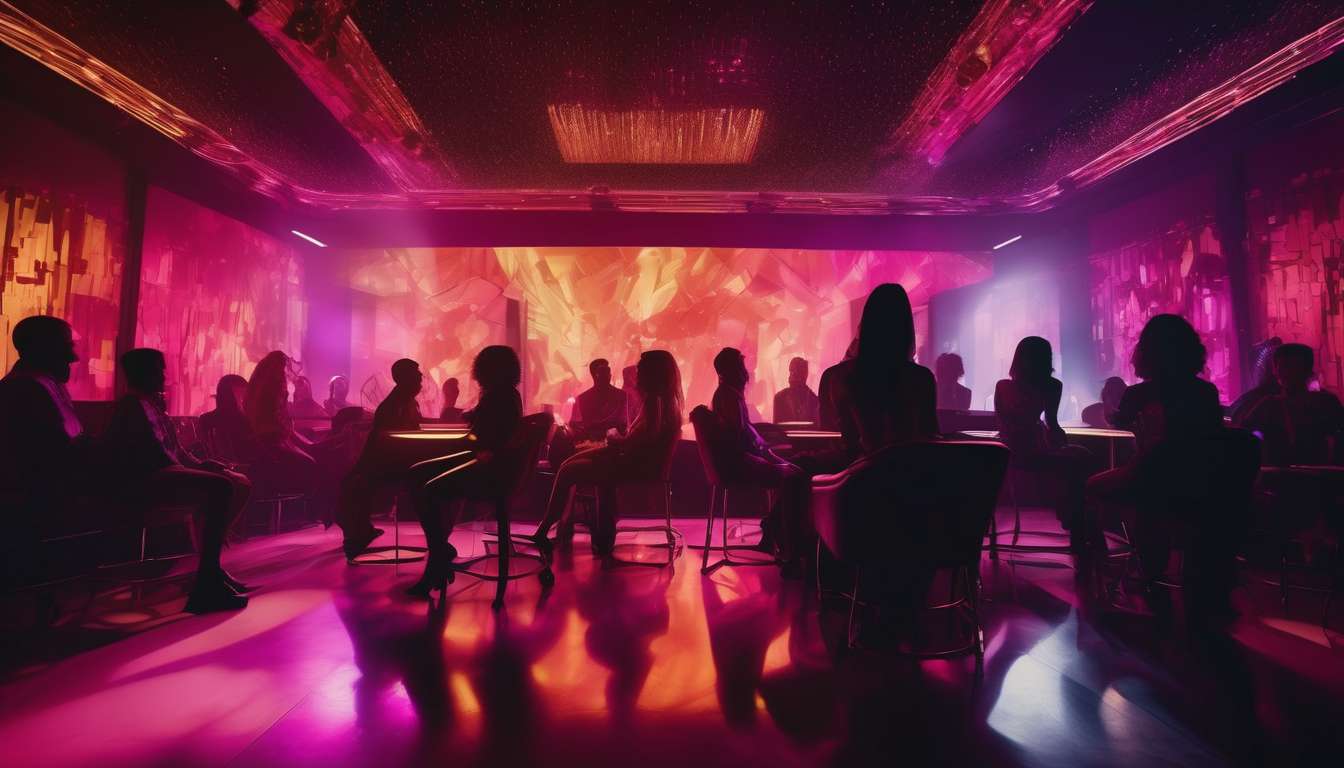
Dancing flames reveal what the crowd truly desires: audiences gravitate toward spectacles that promise escape, intimacy, and novelty.
We approach audience research not as cold data collection but as listening — mapping emotions, motivations, and unspoken expectations that shape demand for exotic dancing shows.
Through surveys, focus groups, and observational studies, we uncover patterns:
- patrons seek curated atmospheres,
- patrons seek narrative-driven performances,
- patrons seek respectful boundaries as much as sensuality.
We identify audience segments — curious newcomers, devoted regulars, and event-driven attendees — each responding to different marketing cues and price points.
Our findings challenge assumptions about uniform demand and highlight opportunities for venue design, performer training, and program diversification that enhance satisfaction while promoting safety and consent.
By translating qualitative insights into actionable strategies, we equip promoters and performers to craft experiences that resonate, sustain attendance, and elevate the artistic and commercial viability of exotic dance in contemporary entertainment landscapes.
Understanding Audience Motivations
We examine why people come to exotic dancing shows, focusing on the social, emotional, and entertainment motives that drive their attendance.
Audience segmentation reveals distinct needs:
- Some patrons seek celebration and community.
- Others look for intimacy or escape.
- Many want shared excitement.
Emotional drivers shape engagement and repeat attendance:
- Belonging
- Validation
- Thrill
A curated atmosphere signals safety and inclusion: lighting, music, and staff warmth help people relax and connect.
Designing experiences around core motives produces better attendance and satisfaction:
- Communal seating for groups.
- Quieter zones for those who want softer interaction.
- Programming that balances spectacle with respectful boundaries.
We use feedback and data to refine offerings: listening to patrons, tracking patterns, and adjusting so attendees feel known and welcomed.
The outcome: social spaces, not just shows, where people come to belong, recharge, and enjoy performances that respect their emotional needs.
Segmenting Patron Profiles
To tailor experiences effectively, we divide patrons into clear profiles based on motivations, group size, spending habits, and preferred level of interaction.
We map audience segmentation to identify:
- regulars seeking community,
- celebratory groups wanting spectacle,
- newcomers who crave comfort and guidance.
Each profile reflects distinct emotional drivers — belonging, excitement, validation — and we honor those needs when designing nights.
We prioritize clarity about what each segment values:
- intimacy and recognition for regulars,
- high-energy extras for parties,
- gentle onboarding for first-timers.
That lets us allocate staff, music, and service beats to match expectations.
When we craft a curated atmosphere, we’re creating signals that say “you belong here” to the right guests without alienating others.
This approach increases satisfaction and repeat visits while keeping operations efficient.
By treating segmentation as a tool for empathy, we build connection and trust across profiles, ensuring everyone feels seen and welcomed in ways that matter.
Methods for Authentic Listening
To listen authentically, we combine direct conversations, discreet observation, and ongoing feedback loops so we can hear what patrons truly want and respond meaningfully.
We start by using audience segmentation to ensure every voice — regulars, newcomers, groups — feels noticed, and we design questions that invite honest answers without judgment.
- We segment audiences (regulars, newcomers, groups) so outreach is relevant.
- We craft neutral, open-ended questions that lower defensiveness and invite real responses.
We sit with patrons, record impressions, and cross-check those insights with unobtrusive observation of behavior and movement around the room.
- We take field notes during conversations.
- We observe traffic patterns, seating choices, and nonverbal cues without interrupting the experience.
- We triangulate what people say with what they actually do.
We’ll gather short, recurring surveys and informal follow-ups so feedback becomes part of the experience, not an interruption.
- Use brief, periodic pulse surveys.
- Follow up informally after visits or events to deepen understanding.
We map patterns to reveal emotional drivers without reducing people to labels, letting us shape a curated atmosphere that respects comfort, excitement, and consent.
- Identify recurring themes (comfort, excitement, privacy) and link them to concrete adjustments.
- Prioritize consent and dignity when interpreting and acting on emotional cues.
We also create safe channels for anonymous suggestions and celebrate when adjustments reflect community input.
- Provide anonymous digital and physical suggestion options.
- Publicly acknowledge and celebrate changes that came from patron feedback.
By keeping methods simple, transparent, and repeatable, we build trust and belonging, and we make operational choices that feel co-created rather than imposed.
- Keep tools and questions straightforward.
- Share how feedback is used.
- Repeat the process at regular intervals to reinforce co-creation and sustain trust.
Emotional Drivers of Attendance
We focus on the feelings that pull people through the door—comfort, thrill, belonging, and escape—so we can design experiences that meet those needs respectfully and reliably.
We map emotional drivers across audience segments to identify who seeks intimacy, who craves spectacle, and who wants social connection. This segmentation helps us prioritize programming, staffing, and communication that affirm people’s reasons for coming.
We listen for cues about safety and acceptance so patrons feel seen without judgment. We balance novelty and predictability: some guests want surprise; others want ritual. We track repeat attendance and feedback to identify which emotional offers build loyalty versus one-time visits.
We examine group dynamics—how friends, couples, and solo visitors influence comfort and engagement—and use those insights to refine space layout, scheduling, and social programming.
By centering shared values and transparent norms, we cultivate trust.
That trust guides how we present a curated atmosphere that matches emotional needs, so attendees return because they feel understood and welcome.
Designing Curated Atmospheres
We will shape lighting, sound, layout, and programming so every element consistently signals the mood and social rules we want patrons to feel.
We map audience segmentation to spatial cues.
- Quieter lounges for guests seeking intimate connection.
- Lively stages and communal areas for groups chasing shared energy.
- Transitional zones for guests moving between privacy and sociality.
By linking emotional drivers to physical design, we ensure rhythms, seating arrangements, and playlist arcs respond to needs for inclusion, excitement, or comfort.
We cultivate a curated atmosphere where staff cues and signage reinforce respectful interaction without awkward reminders; everyone reads the room the same way.
- Staff training focuses on subtle, consistent cues (body language, tone, timing).
- Signage uses clear, positive prompts rather than prohibitions.
- Host rotations and floor presence are timed to nudge behavior gently.
We test sightlines, sight barriers, and circulation paths so people can choose visibility levels that match their comfort.
- Sightlines optimized for performers and social focal points.
- Barriers and nooks provide choice between exposure and privacy.
- Circulation paths minimize accidental crowding and support smooth flow.
We layer scent, temperature, and pacing to sustain mood across an evening, watching how segments flow between zones.
- Scents and HVAC calibrated per zone and time window.
- Tempo of music and lighting transitions adjusted to encourage dwell or movement.
- Staff and programming cues orchestrate natural flows between areas.
We iterate from feedback loops and small experiments, measuring dwell time and return intent.
- Run short A/B tests on lighting, music, or seating.
- Track dwell time, movement patterns, and repeat visits.
- Collect qualitative feedback from staff and patrons and refine.
Our goal is a coherent, welcoming environment that honors diverse motivations and makes belonging feel effortless and intentional.
Balancing Sensuality and Boundaries
We’ll design interactions and space so sensual expression feels inviting while clear, enforceable boundaries keep performers and patrons safe and respected.
We balance warmth and restraint by listening to audience segmentation studies and tuning the curated atmosphere to shared expectations.
We’ll identify emotional drivers that make people feel belonging — safety, affirmation, and excitement — and translate those into practical policies:
- Defined touch rules
- Visible staff presence
- Consistent entry rituals that reassure everyone
We’ll train staff and performers together so rules are empathetic, not punitive, and so communication stays direct and caring.
We’ll use signage, brief orientation, and tech-enabled incident reporting to reinforce boundaries without breaking mood.
We’ll monitor feedback loops from different segments to adapt lighting, music, and proximity practices, ensuring the experience remains alluring yet respectful.
By aligning emotional drivers with clear protocols, we create a space where sensuality and consent coexist, strengthening community trust and repeat patronage.
Marketing to Distinct Segments
We’ll tailor marketing messages and channels to specific patron segments so each group sees invitations that match their desires, comfort levels, and visit motivations.
We’ll use audience segmentation to distinguish:
- regulars seeking community nights,
- new visitors exploring safely,
- special-event attendees chasing novelty.
For each segment, we’ll highlight different emotional drivers:
- Regulars: belonging and familiarity.
- Newcomers: reassurance and welcome.
- Event-goers: excitement and exclusivity.
We’ll craft concise copy and visuals that reflect a curated atmosphere, from warm member-focused communications to playful, boundary-respecting event promos.
We’ll choose channels where each segment already connects:
- Closed social groups and email for loyal patrons.
- Discovery platforms and gentle paid placements for curious newcomers.
- Targeted partnerships for niche audiences.
We’ll monitor response signals and iterate messaging so people feel seen and included, not objectified or alienated.
Our goal is to build lasting relationships by communicating with respect, clarity, and an unmistakable sense of welcome.
Translating Insights into Practice
Now we’ll turn research findings into concrete plans—defining actions, timelines, and measures that let us test and scale what works.
We map audience segmentation to specific pilot programs:
- Which nights, pricing tiers, and creative themes match each group.
- Assign owners and set two-week sprints.
- Collect attendance, spend, and sentiment metrics so we can iterate quickly.
We translate emotional drivers into tangible touchpoints:
- Music cues, performer interactions, and lighting design that foster safety, excitement, or intimacy.
- Prototype a curated atmosphere for each segment and run A/B tests to see which elements increase dwell time and repeat visits.
- Debrief weekly as a team, sharing qualitative stories and quantitative trends so everyone feels responsible and included.
Success criteria are simple:
- Conversion uplift.
- Repeat rate.
- Positive sentiment above targets.
If a pilot misses goals, we will adjust one variable at a time.
This disciplined, inclusive approach helps us scale offerings that resonate and keep our community coming back.
Will the research discuss legal or licensing requirements for hosting exotic dancing shows?
We’ll directly address whether the research covers legal or licensing requirements for hosting exotic dancing shows.
Overview of typical regulations:
- Zoning: Local zoning laws often control where adult entertainment venues may operate; some areas have specific “adult use” zones or buffer requirements from schools, parks, or residences.
- Age verification: Venues must ensure performers and patrons meet minimum age requirements (commonly 18 or 21, depending on jurisdiction and whether alcohol is served).
- Permits and licensing: Many jurisdictions require business licenses, special adult-entertainment permits, or performer registrations; requirements vary widely.
- Health and safety rules: Regulations can include workplace safety, sanitation, occupancy limits, fire-code compliance, and rules about contact between performers and patrons.
- Employment and tax laws: Labor classification (employee vs. contractor), wage and tip-handling rules, and tax obligations can apply to performers and establishments.
Variations by jurisdiction:
- Law and enforcement differ dramatically between cities, counties, states/provinces, and countries; what’s permitted in one place may be prohibited or more tightly regulated in another.
- Some localities impose additional restrictions (e.g., limits on nudity, hours of operation, sound/lighting ordinances) or require special conditional-use permits.
Where to find local statutes and guidance:
- Check municipal and county codes (often available on city or county websites).
- Review state/provincial laws regarding adult entertainment, business licensing, and alcohol service.
- Consult local planning/zoning departments, building/fire departments, and health departments for applicable rules.
Recommendation to consult a lawyer:
- Because requirements vary and noncompliance can carry fines, license revocation, or criminal penalties, consulting an attorney experienced in local zoning, licensing, and labor law is strongly recommended for precise, legally sound advice.
How we can help:
- We can help locate relevant local statutes and departmental contacts.
- We can help summarize applicable rules for your jurisdiction once you provide location details.
- We can connect you with community-minded professionals (e.g., attorneys, compliance consultants, venue operators) for personalized guidance and risk management.
If you’d like, tell me the city/county and state/province where you plan to host the shows, and I’ll start gathering the specific statutes and agency contacts.
How do performers’ wages, tipping structures, and payment fairness factor into the research findings?
We examine how performers’ wages, tipping structures, and payment fairness influence the findings.
Fair base pay combined with transparent tip policies builds trust and retention.
- Fair, predictable base wages reassure performers and reduce financial anxiety.
- Clear, well-communicated tipping rules (who receives tips, how they’re collected and distributed) promote perceived fairness and strengthen commitment.
Inconsistent pay or opaque split systems erode morale and increase turnover.
- Irregular or unpredictable earnings create stress and distract from performance quality.
- Hidden or poorly explained tip-splitting practices breed resentment and distrust among cast and crew.
We center performers’ voices and recommend concrete policies to improve fairness.
- Define clear contracts that state base pay, overtime rules, and tip policies.
- Establish equitable tip distribution methods that are transparent and consistently applied.
- Conduct regular pay reviews to adjust wages to cost of living, market rates, and performance metrics.
The expected outcomes of this approach are improved wellbeing, belonging, and show quality, plus a stronger venue reputation over time.
- Performers who feel paid fairly are more likely to stay, collaborate, and invest in production quality.
- Transparent financial practices build trust with staff and signal professionalism to audiences and potential hires.
Does the article provide step-by-step guidance on hiring, contracts, or background checks for staff and performers?
We do not provide step-by-step hiring, contract, or background check instructions in this article.
Our focus is on research findings about wages, tipping, and fairness rather than operational procedures.
We will gladly point readers to trusted resources and suggest consulting local labor laws, reputable background check services, and experienced entertainment attorneys.
We are committed to helping everyone feel safe, respected, and included as they seek further guidance.
Conclusion
You’ve seen how audience research uncovers why people seek exotic dancing shows and how to segment patrons, listen authentically, and tap emotional drivers.
Use those insights to design atmospheres that balance sensuality with clear boundaries.
- Balance lighting, music, and staging to create an engaging sensual mood without encouraging unwanted touch or harassment.
- Train staff and performers on clear, consistent boundary signals and safe-environment protocols.
- Implement visible, enforced rules (e.g., no-touch policies, staff intervention procedures) and design physical layouts that support them (barriers, clear sightlines, designated interaction zones).
Then tailor marketing to distinct segments.
- Identify segments by motivation (celebration, escape, voyeuristic curiosity, social bonding) and by demographics/occasion (bachelor parties, date nights, regulars).
- Craft messages and channels that match each segment’s values — e.g., upscale, tasteful visuals for date-night seekers; energetic, group-focused promotions for celebration groups.
- Use targeted offers (timed discounts, VIP packages, membership perks) that encourage repeat visits while signaling the venue’s safety and professionalism.
When you translate findings into practice, you’ll create safer, more compelling experiences that respect performers and patrons alike — boosting satisfaction, loyalty, and sustainable demand for your venue.
Key outcomes to measure and monitor:
- Customer satisfaction and sentiment (surveys, online reviews).
- Performer well-being and retention.
- Incidents and enforcement actions (to verify rules are effective).
- Repeat visitation and membership growth.
Implementing research-driven design and marketing closes the loop between insight and experience, producing a venue that is both alluring and responsible.