
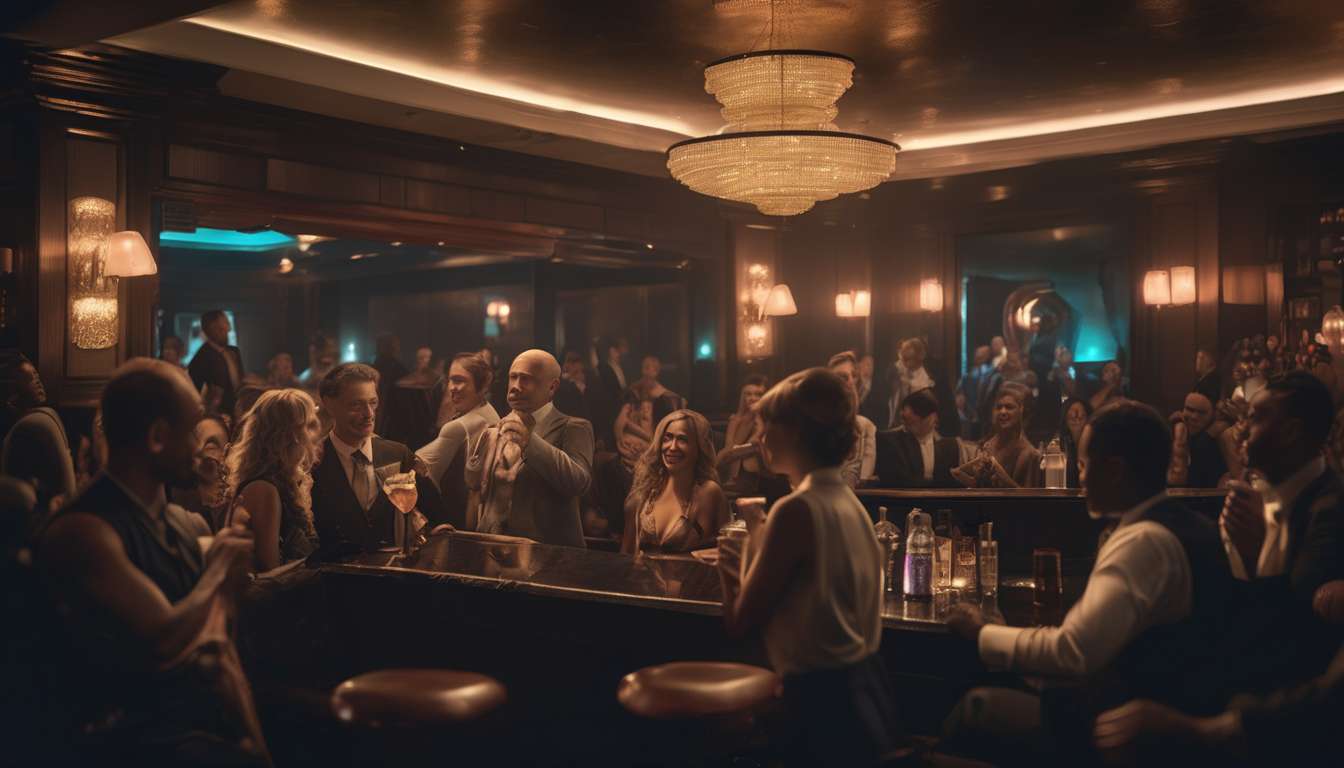
Expanding hospitality standards transformed expectations of exotic dancing venues.
We used to picture dim rooms and transactional interactions. A deliberate shift toward professionalism, safety, and thoughtful service rewrote that narrative.
Key organizational changes implemented:
- Training staff in conflict resolution and customer service.
- Implementing clear policies around behavior, safety, and operations.
- Prioritizing customer experience without compromising performer dignity.
Measurable outcomes observed:
- Repeat patronage rose.
- Complaints fell.
- Community acceptance increased.
Core insight: Respect—for employees, entertainers, and guests—became the foundation of a sustainable business model rather than an optional add-on.
Cultural and business effects:
- Managers, performers, and patrons learned to balance entertainment with empathy.
- High-quality service was blended with ethical practice.
- The reimagining opened doors to new partnerships, licensing opportunities, and broader cultural legitimacy.
Practical takeaway: Hospitality-driven reforms can elevate reputation. Venues can adopt concrete steps (training, clear policies, dignity-focused service) to foster safer, more profitable, and more respected spaces for everyone involved.
Changing Industry Perceptions
We’re shifting how people view exotic dancing by highlighting professionalism, safety, and community impact.
We’re creating spaces where improved hospitality standards are visible the moment someone walks in:
- Warm welcomes.
- Consistent service.
- Clear expectations that set a respectful tone.
We know belonging grows when everyone—staff, performers, and patrons—shares values that raise the whole venue’s profile.
We insist on performer dignity as a cornerstone of reputation work.
- Fair schedules.
- Transparent pay practices.
- Environments that respect boundaries.
We prioritize safety protocols that protect physical and emotional well-being.
- Secure entry systems.
- On-site support.
- Incident reporting that actually gets addressed.
When venues model these commitments, community trust deepens and stigma fades.
We’re not just changing operations; we’re changing perceptions by demonstrating that exotic dancing venues can be professional, cared-for community hubs.
That consistency attracts patrons who respect the space and performers who want to belong to something honorable.
Staff Training Essentials
We’ll train every team member in clear, respectful interactions, boundary enforcement, emergency response, and transparent pay procedures so standards are practiced, not just promised.
We’ll build a curriculum that blends hospitality standards with practical skills.
- Core topics:
- De-escalation techniques
- Respectful communication
- Consistency in handling incidents
We’ll role-play real scenarios so staff feel confident protecting performer dignity while delivering warm service.
- Role-play design:
- Realistic scenarios drawn from past incidents
- Facilitated feedback focusing on both empathy and safety
- Iterations that increase in complexity
We’ll include concise modules on reporting, documentation, and collaboration with local responders to make safety protocols second nature.
- Documentation and reporting elements:
- Clear incident report templates
- Timelines and escalation paths
- Contact protocols for local responders and law enforcement
We’ll schedule recurring refreshers and feedback sessions so everyone’s voice helps refine training, fostering belonging and shared responsibility.
- Cadence and format:
- Quarterly refreshers
- Monthly short huddles for current issues
- Anonymous feedback opportunities
We’ll use measurable checkpoints—observations, quizzes, and peer reviews—to ensure learning sticks and gaps are addressed quickly.
- Assessment methods:
- Manager observations with standardized rubrics
- Short knowledge quizzes after modules
- Peer review and debrief sessions
We’ll pair new hires with experienced mentors who model both professionalism and care.
- Mentoring structure:
- Formal 30–90 day mentorship period
- Shadowing + graduated responsibility
- Mentor checkpoints and feedback loops
We’ll track outcomes like incident reduction, performer satisfaction, and transparent pay adherence to show progress.
- Key metrics:
- Number and severity of incidents
- Performer satisfaction scores and qualitative feedback
- Compliance with documented pay procedures
By treating training as a living program rather than a checkbox, we’ll strengthen reputation, deepen trust among performers and staff, and sustain hospitality standards daily.
Clear Behavioral Policies
We will define and enforce clear, concise behavioral policies that set expectations for patrons and staff, outline prohibited actions, and explain consequences to protect everyone in the venue.
We create straightforward rules rooted in hospitality and safety so everyone feels welcome and understood.
We list unacceptable behaviors, including:
- Harassment
- Unwanted touching
- Discrimination
- Disorderly conduct
We make reporting steps and consequences easy to find and follow, with clear instructions on how to report incidents and what outcomes to expect.
We train staff to apply policies consistently, documenting incidents and responding calmly to maintain trust.
We post policies in accessible areas and share them during onboarding and entry to reinforce belonging and clarity.
We gather regular feedback from performers and team members to refine rules and ensure they reflect collective needs without singling anyone out.
We coordinate with security and management to align enforcement with safety protocols and legal requirements, balancing firm boundaries with compassion.
By keeping policies concise, visible, and fairly enforced, we strengthen community trust and uphold performer dignity while protecting patrons and staff.
Performer Dignity Practices
We prioritize treating every performer with respect and autonomy, ensuring their comfort, boundaries, and professional needs guide venue practices.
We build clear onboarding that outlines hospitality standards, compensation, shift flexibility, and reporting channels so performers feel seen and supported from day one.
We institute private changing spaces, accessible support staff, and routine check-ins that reinforce performer dignity while minimizing unnecessary intrusion.
We train managers and security on de-escalation, consent language, and consistent enforcement of policies so everyone knows expectations.
We maintain incident logs and anonymous feedback options, using that information to refine safety protocols and celebrate improvements.
We collaborate with performers when updating rules, because belonging grows when people influence the systems that affect them.
We offer resources for mental health and financial planning, recognizing holistic needs beyond the stage.
By centering performer dignity within hospitality standards and practical safety protocols, we create a respectful workplace that strengthens reputation and retains talented artists.
Enhancing Customer Experience
We’ll focus on creating welcoming, memorable experiences that respect patrons’ comfort while showcasing performers’ craft.
We shape every touchpoint—entry, seating, service, and music—to make guests feel included and valued.
We train staff in hospitality standards that prioritize warmth, discretion, and efficient service so patrons relax and stay longer.
We design spaces that balance intimacy with clear boundaries, supporting performer dignity and allowing artists to perform confidently.
We listen to regulars and newcomers alike, gathering feedback to fine‑tune ambiance, playlists, and drinks selection.
We offer clear signage and accessible menus so everyone knows what to expect, reducing awkward moments and fostering trust.
We cultivate a team mindset where hosts, bartenders, and managers coordinate to anticipate needs without crowding the floor.
We spotlight performers through respectful promotions and scheduling that honor their preferences.
We communicate our commitment to safety protocols transparently, so guests feel secure while enjoying the show.
Together, we build a welcoming culture that invites return visits and strengthens community bonds.
Safety and Conflict Resolution
We prioritize clear, practiced procedures and staff training so we can prevent incidents, de-escalate conflicts, and keep both patrons and performers safe.
We establish concise safety protocols that everyone knows and follows, from arrival checks to discreet reporting channels.
By embedding hospitality standards into every interaction, we create predictable, respectful responses that calm tense moments and protect performer dignity.
We train teams in verbal de-escalation, boundary enforcement, and coordinated emergency steps so staff act confidently and consistently.
- We make it easy for performers and patrons to ask for help without stigma, reinforcing that we’re a community that looks out for one another.
- Regular reviews and scenario drills keep protocols relevant and show our commitment to continuous improvement.
We document incidents, share lessons with staff, and adapt policies to emerging needs, always centering respect and care.
When safety and dignity are handled transparently and competently, trust grows — and our venue becomes a place where everyone feels welcomed, seen, and secure.
Community Engagement Benefits
Engage neighbors, local businesses, and advocacy groups to build goodwill and reduce stigma.
Listen to community concerns, share hospitality standards, and invite constructive feedback so everyone feels heard and respected.
Collaborate with nearby shops and service providers to create referral networks that promote safe, welcoming experiences for patrons and workers alike.
Host regular meetings and open houses that center performer dignity and transparency about policies.
- These events reassure neighbors and demonstrate a commitment to professional conduct.
- They provide a forum for questions, concerns, and relationship-building.
Train staff and artists on safety protocols developed with community input.
- Jointly developed protocols reduce incidents and build trust.
- Ongoing training ensures consistent application of those standards.
Celebrate local culture through joint events and charity drives.
- Visible commitments reinforce that the venue belongs to the neighborhood ecosystem.
- Community-focused activities make it easier for residents to support a venue that prioritizes people’s wellbeing.
Bottom line: Community engagement strengthens relationships, normalizes the venue’s presence, and protects both performers and the broader community.
Business Growth Outcomes
When we invest in community engagement and professional operations, our venue sees measurable gains in customer retention, revenue diversification, and long-term reputation.
We cultivate a welcoming atmosphere where guests feel like they belong.
- This sense of inclusion translates directly into repeat visits and positive word-of-mouth.
- By raising hospitality standards, we broaden our customer base—regulars, locals, and newcomers all feel comfortable returning.
We diversify revenue through aligned offerings like private events, partnerships, and merchandise.
- These initiatives are developed to support our values and are implemented without compromising performer dignity.
- Diversification stabilizes income and reduces dependence on any single revenue stream.
When performers feel respected and supported, their artistry improves and earnings grow sustainably.
- Respect and support deepen audience loyalty and encourage higher-quality performances.
- This strengthens the overall cultural and financial health of the venue.
Implementing clear safety protocols reduces incidents that harm trust and increases operational efficiency.
- Fewer incidents lower liability costs and can reduce insurance premiums.
- Clear protocols protect patrons, staff, and performers, enhancing confidence in the venue.
Together, these measures create a virtuous cycle that ensures long-term growth.
- Better experiences attract more patrons.
- Stronger community ties stabilize cash flow.
- A reputation for professionalism secures sustained success.
We’re building a business that succeeds because everyone involved is valued and protected.
How do managers handle legal or licensing challenges specific to exotic dancing venues when implementing hospitality upgrades?
We ask regulators and legal counsel early, and we don’t assume upgrades bypass licensing rules.
We work with staff and performers to document changes, adjust policies, and train everyone on compliance.
We’ll pursue permits proactively, modify layouts to meet codes, and budget for inspections and legal advice.
We keep communication transparent so our team feels included, and we’ll adapt plans quickly when authorities request revisions to protect the business and our people.
What measurable ROI timeline should owners expect after investing in staff training and venue improvements?
Initial returns (3–6 months):
We’d expect to see initial returns within 3–6 months as staff training and venue tweaks boost service consistency and guest loyalty.
Short-term improvements (6–12 months):
By 6–12 months, revenue, tip averages, and repeat visits should show measurable lifts; operating costs often fall as efficiency improves.
Full ROI (12–24 months):
Full ROI typically appears by 12–24 months once reputation gains, higher occupancy, and increased spend stabilize.
Ongoing tracking and adjustments:
We’ll track metrics monthly and adjust investments to meet targets.
Metrics to monitor (monthly):
- Revenue
- Tip averages
- Repeat visit rate
- Occupancy
- Operating costs
Action cycle:
- Measure monthly metrics.
- Compare vs targets.
- Adjust training, operations, or marketing.
- Reassess next month.
Are there recommended insurance policies or liability protections that specifically cover hospitality-focused changes in adult entertainment establishments?
Summary of recommended insurance coverages for adult-entertainment hospitality venues
General Liability
- Covers bodily injury and property damage to third parties (patrons, vendors).
- Essential for day-to-day operations.
Liquor Liability
- Covers claims arising from alcohol service (over-service, intoxicated patrons causing harm).
- Critical if alcohol is sold or served on the premises.
Employer’s Liability / Workers’ Compensation
- Protects employees and the business for work-related injuries or illnesses.
- Required in most jurisdictions; essential for staff safety and compliance.
Sexual Misconduct Liability
- Addresses claims involving alleged sexual harassment, assault, or abuse by staff or contractors.
- Important given the venue’s nature to protect patrons, staff, and reputation.
Premises Liability
- Covers incidents occurring on the property (slips, falls, inadequate security).
- Necessary alongside general liability to address on-site risks.
Business Interruption Coverage (tailored to club operations)
- Reimburses lost income and ongoing expenses if the venue must close due to a covered loss (fire, storm, etc.).
- Tailor limits and waiting periods to reflect night/weekend revenue patterns.
Cyber Liability
- Protects POS systems, customer payment data, and incident response costs for breaches.
- Recommended if you use electronic payments, online bookings, or store patron data.
Event-Specific Policies for Private Bookings
- Short-term coverage for private events, including additional liability limits, host liquor liability, or waivers.
- Useful for high-risk or high-value bookings.
Placement strategy with a nightlife-experienced broker
- Work with a broker knowledgeable about nightlife and adult-entertainment exposures.
- Bundle coverages and request endorsements tailored to club operations (e.g., enhanced assault & battery limits, hired/ non-owned auto for transportation).
- Secure policy limits that protect staff, patrons, and your reputation — and confirm defense costs, indemnity limits, and incident response provisions.
- Review exclusions (e.g., intentional acts) and purchase excess/umbrella limits if needed.
Next steps
- Engage a broker experienced in nightlife and adult-entertainment risk.
- Perform a formal risk assessment of operations and events.
- Obtain customized quotes and endorsements, then compare limits, exclusions, and premiums before binding coverage.
Conclusion
You’ve helped shift perceptions by treating exotic dancing venues like any hospitality business: training staff, setting clear behavioral policies, and prioritizing performer dignity.
By improving customer experience, safety, and conflict resolution, you’ve made the venue safer and more welcoming.
Engaging with the community strengthens reputation and brings steady business growth.
Keep reinforcing these standards—consistent care and professionalism will sustain trust, attract respectful customers, and ensure long-term success for performers and the venue alike.