
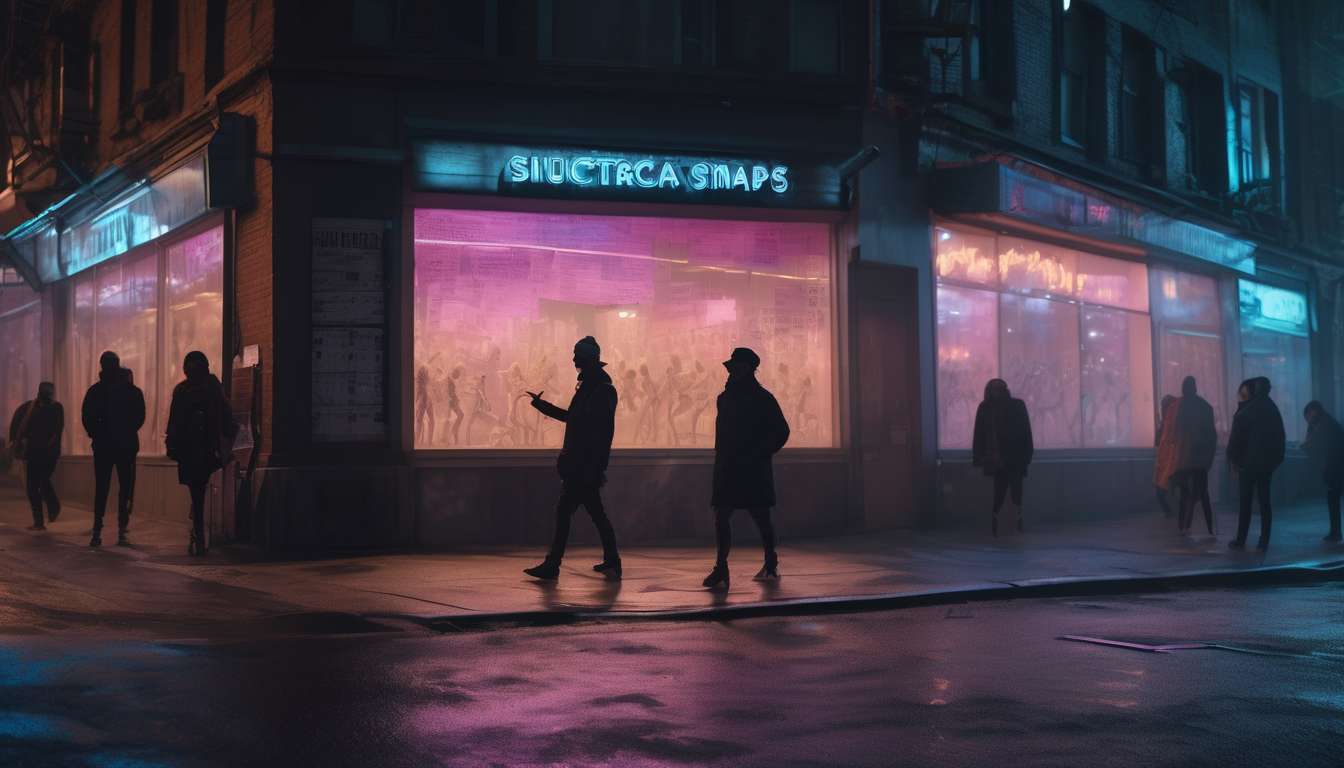
A strict rulebook, not bohemian creativity, often dictates where and how we dance.
Municipal codes—setbacks, zoning overlays, licensing hours, and aesthetic requirements—shape the very contours of exotic dancing venues more than market demand or artistic intent.
As planners, operators, and performers navigate these regulations, they negotiate visibility, safety, and economic viability within boundaries drawn by policymakers.
Seemingly neutral standards embed values about public morality, urban form, and gendered spaces, producing consequences for who can work where and under what conditions.
This examination reveals trade-offs between community interests and individual freedoms, showing that regulatory design influences not only business models but also performers’ safety and local culture.
By interrogating ordinances across cities, we uncover patterns that suggest alternatives:
- clearer objectives
- evidence-based safeguards
- inclusive stakeholder processes
Our goal is to illuminate how municipal choices sculpt nightlife and to propose paths toward regulations that balance public order with dignity and opportunity.
Regulatory Landscape Overview
We’ll begin by outlining the key municipal laws, licensing requirements, zoning restrictions, and enforcement practices that shape how exotic dancing venues operate.
We know many of us want clear rules that let venues thrive while keeping communities safe, so we focus on practical, shared responsibilities.
Municipal codes bundle licensing steps that we must follow to stay compliant:
- Application
- Background checks
- Fee schedules
- Periodic renewals
Zoning plays a coordinating role by guiding where venues can locate relative to residences, schools, and other sensitive uses; we’ll explore specifics later.
Local enforcement mechanisms help maintain consistent standards and protect workers and patrons:
- Inspections
- Complaint protocols
- Graduated penalties
Public safety considerations weave through every requirement: adequate lighting, occupational health measures, crowd control plans, and collaboration with first responders reduce risks and build trust.
By centering mutual respect and predictable processes, we create an environment where operators, staff, neighbors, and officials can belong and work together toward sustainable, lawful entertainment spaces.
Zoning and Location Limits
Goal: Map where exotic dancing venues can operate by setting clear distance buffers, permitted districts, and conditional use criteria so communities and operators know what locations are acceptable.
Zoning allocation and permitted districts
- Describe how zoning maps allocate commercial, entertainment, and mixed-use zones for such venues.
- Clarify which zoning districts expressly permit these uses, which allow them only with a conditional or special use permit, and which prohibit them outright.
Buffer requirements and setback measurements
- Explain buffer requirements from schools, parks, daycares, places of worship, and residences to protect community character and public safety.
- Specify how setback measurements are taken (property line to property line, parcel centroid, or building entrance) and whether buffers are radial or along street centerlines.
- Note any clustering limits or minimum spacing between similar venues.
Conditional use permits and community input
- Outline conditional use permit (CUP) criteria that let neighborhoods weigh in while offering predictable paths for entrepreneurs.
- List typical CUP review elements, such as hours of operation, noise mitigation, lighting, exterior signage, and security plans.
- Describe public notice, hearings, appeal rights, and possible mitigation conditions.
Permitting and licensing steps
- When a site fits permitted districts, operators can pursue licensing steps more confidently.
- When it doesn’t, show alternatives or nearby relocation options, including sites in adjacent permitted zones or adaptive reuse opportunities.
- Provide a clear checklist of municipal approvals needed (zoning clearance, CUP if required, business license, building and fire inspections, health permits, parking mitigation).
Safety, building, and fire code coordination
- Note coordination with building and fire codes to ensure safe occupancy, egress, and emergency access.
- Address traffic patterns, parking demand, and pedestrian safety near transit and nightlife districts.
- Include expectations for security staffing, surveillance, and coordination with local law enforcement for events or peak times.
Balancing business viability and neighborhood concerns
- Explain how the framework balances business viability with neighbors’ concerns by clarifying proximity rules to transit, nightlife districts, and sensitive uses.
- Provide transparent, objective standards so operators know constraints and residents understand protections.
Outcome and transparency
- Create a transparent siting framework that supports responsible operators and reassures residents about safety and neighborhood fit.
- Recommend publishing maps, buffer visualizations, and a step-by-step application guide online so decisions are predictable and equitable.
Licensing and Operational Hours
We will set clear licensing requirements and operational hour limits that balance business needs with neighborhood livability and enforceability.
License application requirements:
- Applicants must show compliance with zoning and existing municipal codes.
- Applicants must submit ownership and management information.
- Applicants must agree to posted hours that reflect community rhythms.
We will create a predictable licensing process with fair fees and renewal procedures so venues and workers feel included and respected.
We will pair license conditions with specific operational hour windows that are late enough for viable business operations but early enough to protect nearby residents, so expectations are shared.
We will publish standard criteria for conditional permits to address unique situations, and allow community input during review to foster trust.
We will enforce rules consistently using graduated remedies—from warnings to suspensions—so everyone understands consequences.
By linking zoning clarity, transparent licensing, and reasonable hours, we will support venues that contribute to local culture while upholding public safety and neighborhood cohesion.
Safety and Health Standards
We will set clear, enforceable health and safety standards for exotic dancing venues that protect performers, patrons, and neighbors while allowing compliant businesses to operate.
We will require venues to meet basic building, fire, and sanitation codes tied to zoning and licensing decisions, so expectations are consistent and fair for everyone.
We will insist on well-marked emergency exits, routine fire-suppression checks, and adequate back-of-house lighting to reduce accidents and support workers’ peace of mind.
We will mandate staff training in:
- de-escalation,
- first aid, and
- reporting procedures.
We will create a straightforward complaint and inspection process that balances accountability with due process.
We will promote access to restroom hygiene supplies, clean changing areas, and policies that respect performers’ personal safety and privacy.
We will coordinate with public safety partners to ensure responses are timely and proportionate.
We will publish clear compliance criteria so business owners and community members feel included in maintaining safe, healthy venues that integrate responsibly into their neighborhoods.
Visibility and Signage Rules
We’ll set clear limits on where and how venues can display signs and lighting so they’re visible enough for safety and wayfinding without creating nuisance impacts on nearby residents or schools.
We’ll map acceptable signage zones that align with zoning rules, keeping bright or animated displays away from residential blocks and school perimeters.
We’ll require licenses to include signage plans so reviewers can confirm illumination levels, size, and placement meet municipal standards.
We’ll standardize minimum directional lighting and markings to support public safety, helping patrons and emergency services navigate without relying on overpowering neon.
We’ll offer a predictable permit process so operators who follow rules feel respected and part of the neighborhood fabric.
We’ll encourage coordinated community review sessions where neighbors, business owners, and regulators discuss proposals, reducing surprises and building trust.
We’ll enforce consistent penalties for violations while providing technical guidance for compliant designs, ensuring signs guide visitors responsibly and help venues integrate into their communities.
Economic Impact Considerations
Goal: We’ll assess how exotic dancing venues affect local economies by measuring job creation, tax revenue, nearby business performance, and property values.
Employment effects
- Direct jobs: Quantify venue employment (performers, managers, bartenders).
- Indirect jobs: Quantify related roles (cleaning, security, hospitality, maintenance).
- Regulatory influence: Note how zoning and licensing shape where and how many jobs can appear.
Tax and fiscal modeling
- Revenue estimates: Model expected tax revenue from sales, admissions, and other fees.
- Regulatory scenarios: Compare revenue under different zoning and licensing regimes so community members can see tangible benefits tied to clear rules.
Local business and property impacts
- Spillover effects: Analyze impacts on neighboring restaurants, retail, and parking demand.
- Property values: Track nearby property value trends to identify correlations with stabilization or decline.
Public safety and municipal costs
- Costs and benefits: Include police, lighting, transit, and other public-safety-related expenses.
- Budget transparency: Present net budget impacts so costs aren’t hidden.
Community engagement and outcomes
- Evidence-based estimates: Provide transparent, data-driven analysis to inform residents.
- Balance: Help municipalities choose policies that balance economic opportunity with neighborhood character through informed planning.
Stakeholder Engagement Models
Identify key stakeholders and tailor engagement approaches.
Key stakeholders: residents, venue operators, law enforcement, nearby businesses, and advocacy groups.
Engagement approaches:
- Host inclusive forums where people can share concerns about zoning impacts, licensing processes, and public safety measures.
- Hold small-group listening sessions for neighbors.
- Run targeted workshops for operators on compliance.
- Conduct tabletop exercises with police to test emergency protocols.
Create transparent, accessible communication channels.
Shared online portal:
- Provide updates, accept comment submission, and track how input influences draft policies so contributors see their impact.
Plain-language materials:
- Demystify zoning maps and licensing criteria to make information accessible.
Establish structured, representative governance and feedback loops.
Stakeholder advisory panel:
- Convene a panel with rotating seats to balance continuity and new perspectives.
Timely feedback loops:
- Summarize decisions, explain trade-offs, and provide prompt responses to foster trust.
Center respectful dialogue and clear participation pathways.
- Emphasize respectful dialogue and collective ownership.
- Ensure clear pathways for participation so municipal rulemaking becomes collaborative, accountable, and rooted in community care.
Evidence-Based Policy Options
We’ll prioritize policy options grounded in empirical evidence and measurable outcomes to balance community needs, worker rights, and operational feasibility.
We’ll gather comparative data from peer cities on zoning impacts, licensing systems, and public safety outcomes so our choices reflect what actually works.
We’ll test a graduated licensing system tied to clear metrics:
- Training completion.
- Incident reductions.
- Regular audits.
We’ll monitor effects of licensing on:
- Workers’ income.
- Venue viability.
We’ll pilot zoning adjustments that cluster venues where they minimize neighborhood friction while preserving access and economic opportunity.
We’ll measure zoning pilot outcomes, including:
- Noise complaints.
- Foot traffic.
- Local business interactions.
We’ll implement public safety interventions shown to reduce harm, such as:
- Well-lit entrances.
- Staff de-escalation training.
- Coordinated health services.
We’ll track public safety and service metrics, including incident rates and service uptake.
We’ll report transparently and iterate policies based on outcomes.
We’ll include affected workers and neighbors in evaluation teams so everyone feels seen and heard as we refine rules together.
How do municipal rules affect the ability of exotic dancers to qualify for unemployment insurance or other social benefits?
We understand the problem: municipal rules can make it harder for exotic dancers to qualify for unemployment or benefits by defining their work status, restricting licenses, or imposing zoning and permit costs.
How these rules affect performers:
-
Reclassification as independent contractors. Municipalities and clubs may structure relationships or paperwork so performers are treated as independent contractors rather than employees, which can eliminate access to unemployment insurance, employer-side benefits, and wage protections.
-
Limited documentation of hours or wages. When clubs pay in cash, tip-out models obscure income, or records are incomplete, performers lack the documented earnings and hours needed to qualify for benefits.
-
Regulatory barriers and costs. Licensing, permit fees, and zoning restrictions increase operating costs and can push venues to close or alter operations, reducing stable work opportunities and making it harder for performers to show steady employment.
-
Collateral barriers to social supports. Lack of recognized employment records and stable income can block access to unemployment, health care programs, housing assistance, and other safety-net services.
What we do in response:
-
Mutual support.
- Share information about rights, paperwork, and documentation that can help establish work history.
- Pool resources for legal help, medical care, and emergency needs.
-
Advocacy.
- Push for clearer employment definitions in law and municipal rulemaking so performers aren’t automatically funneled into independent-contractor status.
- Campaign for fair access to social safety nets regardless of venue payment practices.
-
Practical steps.
- Encourage consistent record-keeping of gigs, hours, and tip income.
- Seek community legal clinics or pro bono advice to challenge improper classifications or obtain benefits.
- Build alliances with labor organizations and local advocacy groups to amplify policy reform efforts.
Our goal: achieve clearer employment definitions and fair access to social safety nets so performers can secure unemployment benefits, health care, housing assistance, and the protections other workers receive.
What legal protections exist for exotic dancers who want to unionize or collectively bargain within venues constrained by municipal regulations?
You have federal and state labor protections to organize and bargain.
Under the National Labor Relations Act (NLRA), workers engaged in concerted activity for mutual aid or protection — including exotic dancers — are generally protected from employer retaliation. Exemptions may apply (for example, some independent contractor or supervisory classifications), so classification disputes can affect NLRA coverage.
State labor laws and anti-retaliation statutes provide additional protection.
You may organize, picket, and engage in collective bargaining, and you can pursue remedies through enforcement bodies:
- File unfair labor practice charges with the NLRB.
- Seek relief from state labor boards or commissions where applicable.
- Pursue anti-retaliation claims under state statutes when appropriate.
Municipal regulations can constrain venues, but they do not necessarily eliminate your rights.
- Local licensing, zoning, or conduct rules may limit how venues operate.
- Such municipal rules cannot lawfully be used by employers or local officials to supersede NLRA protections.
When municipal limits or classification issues arise, take practical steps to protect your rights.
- Consult an employment or labor attorney to evaluate NLRA coverage, classification issues, and the interaction with local rules.
- Contact worker centers, unions, or community organizations experienced with exotic dancer organizing for strategic and logistical support.
- Document employer conduct, municipal enforcement actions, and any retaliation to support charges or claims.
If your rights are violated, enforcement options include:
- NLRB remedies (reinstatement, back pay, bargaining orders).
- State labor board remedies and anti-retaliation relief.
- Civil lawsuits in some circumstances.
Next steps: consult counsel or a worker-center organizer to assess your specific situation, determine whether you’re employees or independent contractors under the law, and help file appropriate charges or bargaining petitions.
Are there examples of municipalities that have created designated entertainment districts with different rules for exotic dancing, and how have those districts impacted crime and community relations?
We’ve seen examples like Portland’s Entertainment Districts and parts of Las Vegas where cities carve out zones with relaxed rules for exotic dancing.
These districts can reduce street-level tension, concentrate enforcement, and improve safety when paired with outreach and clear standards.
Results are mixed:
- Some neighborhoods welcome economic activity and safer conditions.
- Other neighborhoods feel excluded or stigmatized, so community input matters.
Conclusion
You’ve seen how municipal rules — zoning, licensing, safety, visibility, and economic analysis — shape where and how exotic dancing venues operate.
When you weigh neighborhood impacts, business rights, and public health, favor targeted, evidence-based policies that balance safety and economic opportunity.
By engaging stakeholders early and revising rules based on outcomes, you’ll create predictable, fair regulations that protect communities while allowing legitimate businesses to operate responsibly and transparently.