
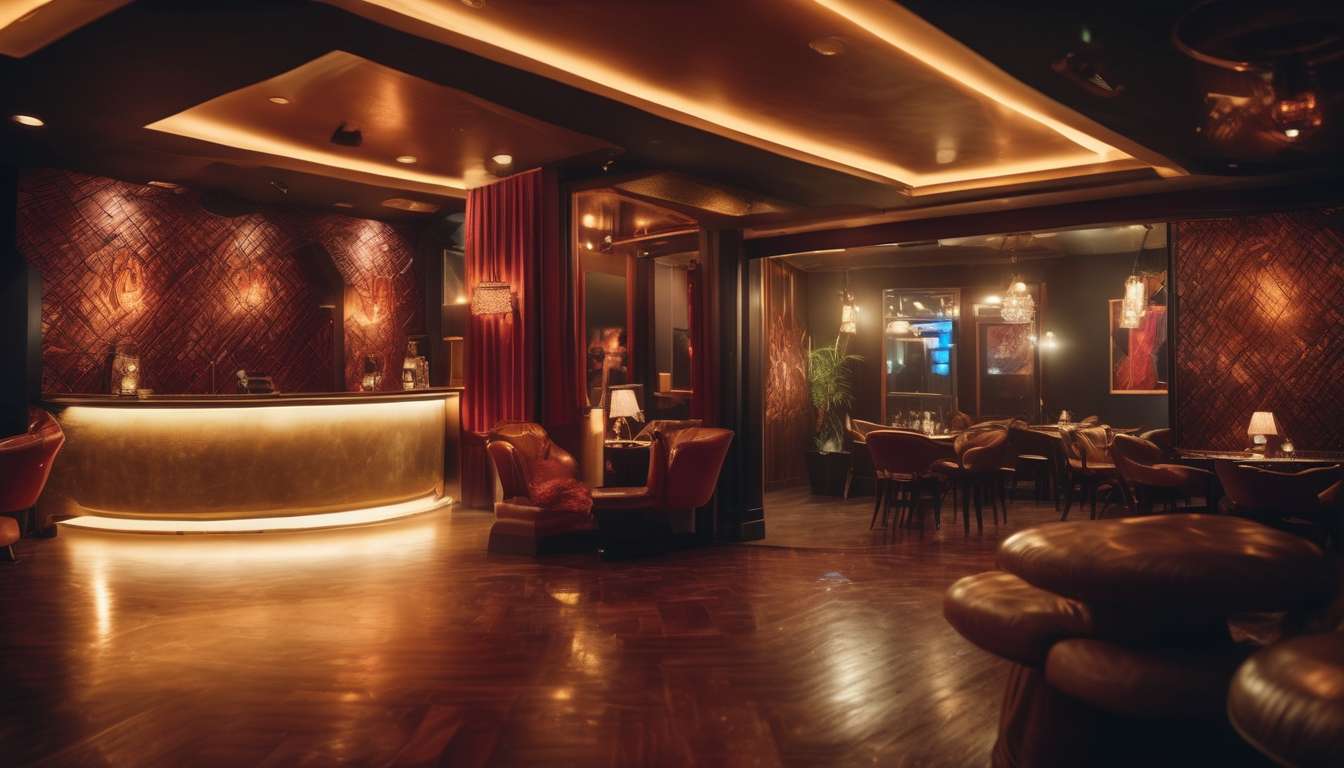
Just as nightlife rebounds and cities reopen, we are witnessing a shift in how entertainment venues prioritize guest experience—especially at exotic dancing venues.
As trends toward experiential hospitality, safety-first design, and inclusive service rise, we find ourselves rethinking long-standing assumptions about these spaces.
We examine how data-driven layout choices, staff training grounded in empathy, and clear customer journeys transform visits from transactional encounters into memorable, respectful experiences.
By tracking changing customer expectations, regulatory updates, and technological integration—cashless payments, discreet booking apps, and enhanced lighting controls—we map opportunities for operators to improve satisfaction and loyalty.
Our perspective centers on practical design interventions that balance performer dignity, patron comfort, and business sustainability.
In this article we outline actionable strategies, case studies, and measurement approaches that venues can adopt to create environments where everyone feels welcomed, safe, and valued, while also driving healthier revenues and community acceptance.
Guest Journey Mapping
We’ll map the guest journey to pinpoint every touchpoint, emotion, and pain point from arrival to departure so we can design smoother, safer, and more memorable experiences.
We chart entry, seating, ordering, stage interaction, and exit with a shared goal: everyone feels welcome and respected.
By tracing the guest journey together, we spot friction like long waits or awkward interactions and fix them with clear signage, streamlined check-in, and reliable contactless payments that respect privacy and speed service.
We balance hospitality with boundaries so performers’ needs are central; preserving performer dignity is nonnegotiable and shapes layout, sightlines, and transaction rules.
We test flow with real guests and staff, gathering feedback that helps us iterate quickly.
Small moves—dedicated pathways, discreet payment options, visible staff presence—reinforce safety and inclusion.
When we design intentionally, guests feel they belong, performers feel honored, and the venue becomes a place where memorable, respectful experiences are the norm.
Empathy-Driven Staff Training
We’ll train staff to prioritize empathy, equipping them with practical skills for respectful communication, de-escalation, and boundary-setting that protect both guests and performers.
We’ll create role-plays that mirror real moments along the guest journey, so team members learn to read cues, diffuse tension, and redirect interactions toward safety and enjoyment.
We’ll teach language that affirms performer dignity and models consent-first exchanges, making clear what behaviors are welcomed and what aren’t.
We’ll integrate operational tools so empathy isn’t just an attitude but a practiced response:
- Discreet procedures for addressing issues.
- Easy, confidential reporting channels.
Training will cover handling payment interactions smoothly, including promoting contactless payments to reduce friction and protect privacy.
We’ll emphasize consistent follow-up, mentoring, and feedback loops, so staff grow together and feel responsible for the space’s emotional climate.
By investing in ongoing, skill-based training, we’ll foster belonging for patrons and performers alike while maintaining clear boundaries and reliable, respectful service.
Inclusive Space Layouts
We design accessible, clear, and flexible floor plans so everyone can enjoy performances safely and comfortably.
- Prioritize accessibility, clear sightlines, and flexible seating.
- Arrange stages and aisles to reduce congestion and balance visibility with safe distances.
- Offer varied seating types and private nooks for small groups seeking quieter connection.
We map the guest journey to make visitors feel oriented and welcome.
- Chart routes from entry → seating → bar → restrooms → exits.
- Use wayfinding to ensure guests can move confidently and locate services quickly.
We integrate universal design so ability differences never block belonging.
- Include ramps, tactile cues, and clear signage.
- Position service stations for swift order flow and support contactless payments to speed transactions and minimize touchpoints.
We design lighting and sightlines to respect both performers and audience experience.
- Plan lighting to affirm performer dignity while preserving the audience’s immersive experience.
- Balance proximity so guests can engage without imposing on performers.
We test, iterate, and train to ensure spaces work for everyone.
- Test layouts with diverse community members.
- Iterate based on feedback.
- Train staff on spatial etiquette and accessibility procedures.
Result: By designing inclusive layouts, we create welcoming, efficient spaces where guests feel seen and respected, and performers can work confidently within thoughtfully arranged environments.
Performer Dignity Measures
We commit to concrete policies and venue features that protect performers’ autonomy, safety, and privacy while ensuring fair pay and professional respect.
We build performer dignity into every touchpoint of the guest journey by:
- Training staff to enforce boundaries.
- Clearly communicating rules to guests.
- Creating backstage rituals that honor performers’ time and expertise.
We adopt transparent pay structures and scheduling practices so artists know what to expect and can plan reliably.
We prioritize respectful interactions by:
- Empowering performers to decline engagements without penalty.
- Documenting escalation processes that are easy to activate.
We integrate contactless payments and tip-forward systems to reduce pressure on performers and to make transactions discreet, fair, and traceable.
We design feedback loops where performers co-create policies, review incidents, and suggest improvements, fostering shared ownership.
We cultivate a culture where performers feel seen and supported, where guests learn to participate respectfully, and where the venue’s operations consistently reinforce performer dignity as central to a welcoming, sustainable community.
Safety and Privacy Controls
Layered safety and privacy controls
We implement layered safety and privacy controls that let performers and staff manage visibility, access, and personal data with clear, enforceable options.
Performer-controlled interactions and data
We give performers tools to control who can approach, when interactions are allowed, and how personal details are stored or erased, reinforcing performer dignity at every touchpoint.
Guest journey policies
We design entry, wait, and seating policies that map onto the guest journey so everyone knows expectations from arrival to exit.
Consent-driven media and boundary enforcement
We require consent-driven photo and video rules, display clear signage, and train hosts to enforce boundaries with empathy, making belonging a practical reality for performers and guests.
Private staff channels and incident response
We set up private staff channels, incident reporting, and time-bound access badges so teams can respond quickly without exposing identities.
Data protection and administrative controls
We encrypt profile and payroll data, maintain audit logs, and limit administrative access to reduce risk.
Secure, privacy-preserving payments
We integrate secure, user-friendly payment options like contactless payments for transactional privacy while keeping cash-handling policies transparent.
Continuous testing and community feedback
We test these controls regularly and invite feedback so safety and privacy evolve with our community.
Cashless and Contactless Flows
We’ll design cashless and contactless flows that make transactions fast, private, and auditable while accommodating tip culture and off-stage payouts.
We’ll map the guest journey to minimize friction from entry to departure, giving patrons clear, familiar options so they feel welcome and connected.
We’ll prioritize contactless payments for speed and hygiene, and we’ll layer optional anonymous tipping to protect guest privacy while respecting performer dignity.
We’ll implement discrete interfaces at tables and stages that let guests authorize tips or purchases without calling attention to themselves.
We’ll build transparent settlement for performers so earnings are trackable and disbursed promptly, preserving dignity and financial autonomy.
We’ll provide staff with succinct protocols to assist guests who need help, reinforcing inclusion without intrusion.
We’ll audit flows regularly, using usage data and performer feedback to refine commission structures, payout timing, and tip routing.
By centering both guest journey clarity and performer dignity, our cashless and contactless systems strengthen trust, belonging, and operational fairness.
Ambient Lighting and Acoustics
We will design ambient lighting and acoustics to shape mood, focus attention, and support privacy while keeping performer safety and audience comfort front and center.
Lighting strategy:
-
Guide the guest journey with tuned light levels.
- Soft, warm zones to welcome arrivals.
- Brighter stages to spotlight performers.
- Dimmer seating areas to preserve intimacy.
-
Balance contrast for safety and performer dignity.
- Avoid glare or high-contrast transitions that create camera hazards.
- Maintain lighting that lets performers retain control of their image.
-
Make lighting controls intuitive.
- Simple interfaces for staff and performers.
- Minimize disruptions and empower performers to set comfort levels.
Acoustics and sound design:
-
Treat sound as directional and layered.
- Clear, focused music on stage.
- Lower ambient tracks in seating areas.
- Discreet channels for announcements.
-
Use acoustic treatments to reduce bleed and protect privacy.
- Improve conversation intelligibility within groups.
- Prevent sound leakage between zones so guests relax and feel included.
Payment and touchpoints:
- Keep payment touchpoints unobtrusive.
- Contactless payments placed near exits and private booths.
- Design layouts that preserve ambiance and privacy.
Collaboration and iteration:
- Work with performers and guests to refine systems.
- Respect boundaries and promote safety.
- Nurture a welcoming environment where everyone feels they belong.
Feedback and Performance Metrics
We’ll gather qualitative and quantitative feedback from performers and patrons, track key operational metrics, and use those signals to iteratively improve safety, comfort, and revenue performance.
We’ll map the guest journey end-to-end.
- Ask targeted questions at entry, seating, performance, and exit to learn where we help people feel seen and included.
- Combine survey responses with behavioral data (dwell time, tip patterns, conversion rates) to identify pain points and opportunities.
We’ll survey performers about workload, scheduling fairness, and performer dignity.
- Use those surveys together with behavioral and operational data to surface systemic issues and measure improvement.
Operational dashboards will include key metrics to monitor convenience and security.
- Wait times
- Table turnover
- Incident reports
- Uptake of contactless payments
We’ll run short A/B tests on seating layouts and service prompts with clear success criteria tied to belonging and respect.
- Design test variations with measurable outcomes.
- Run tests for a defined period.
- Analyze results against predefined success criteria.
- Implement winning changes and iterate.
Regular stakeholder sessions will let staff and performers review metrics together and co-create fixes.
- Hold recurring meetings to discuss dashboard insights and test outcomes.
- Prioritize changes that improve wellbeing and revenue simultaneously.
- Share outcomes transparently so everyone feels invested in continuous, measurable improvement.
How can service design address legal and licensing compliance specific to exotic dancing venues?
Understand the regulatory landscape.
Map local, state, and federal regulations that apply to exotic dancing venues, including licensing requirements, zoning, employment and contractor classifications, health and safety codes, age verification, alcohol service laws, and permitted performance practices. Create a clear, accessible summary of obligations and penalties.
Co-design with staff and performers.
- Involve managers, bartenders, floor staff, and performers in workshops and interviews to surface practical constraints and needs.
- Use participatory design methods to ensure policies are realistic and respectful of performers’ autonomy and labour rights.
- Validate proposed workflows with representatives before implementation.
Design clear workflows, roles, and responsibilities.
- Define who is responsible for licensing, renewals, and communications with regulators.
- Map step-by-step processes for onboarding performers (background/ID checks, contract classification, training) and for night-of operations (age checks, stage rules, incident reporting).
- Produce visual process maps and checklists for shift leads.
Create training and documentation.
- Develop mandatory training modules on legal obligations, consent and boundaries, de-escalation, intoxication management, and harassment prevention.
- Maintain up-to-date written policies, performer agreements, and contractor vs employee classification guidance.
- Provide accessible materials (multiple languages, digital and printed).
Build audit trails and signage.
- Implement record-keeping systems for licenses, training completions, incident logs, and ID verifications to support audits.
- Design clear on-site signage that complies with local code (age limits, no-contact rules, house policies) and communicates rights and reporting channels for performers and patrons.
Establish feedback loops with regulators and stakeholders.
- Regularly review regulation changes with legal counsel and update systems.
- Invite periodic regulator walkthroughs or consultations to preempt compliance gaps.
- Collect feedback from performers and staff through anonymous surveys and after-action reviews.
Prioritize safety, consent, and transparency.
- Embed consent-first policies and transparent fee and tip handling to protect performers’ rights and income clarity.
- Design incident response protocols that preserve safety and confidentiality.
- Ensure open communication channels so performers can report concerns without retaliation.
Foster trust and belonging while reducing risk.
- Use service design to create dignity-centered customer interactions and backstage workflows that respect performers.
- Measure outcomes with compliance metrics, safety incident rates, and staff/performer satisfaction to iterate and demonstrate continuous compliance.
What strategies ensure equitable pay and labor protections for independent contractors versus staff performers?
Goal: Ensure fair pay and protections for independent contractors and staff performers.
Establish transparent, standardized pay structures.
- Create clear pay scales and published rate cards for roles and performance types.
- Define how base pay, bonuses, and pay-per-performance are calculated.
- Include a visible dispute-resolution pathway for pay disagreements.
Provide minimum guarantees and clear tips policies.
- Set minimum guarantees for shift length or bookings to prevent unpaid gaps.
- Publish a tips policy that explains pooling, distribution, and reporting.
- Ensure tip handling complies with local labor and tax laws.
Offer access to benefits via pooled funds or partnerships.
- Create pooled benefit funds (health, mental health, equipment, paid leave) available to qualifying performers.
- Partner with insurers, co-ops, or worker associations to offer low-cost benefits to contractors.
- Make enrollment and eligibility rules explicit and easy to access.
Create equitable, clear contracts.
- Use plain-language contracts that specify scope, payment terms, IP, cancellation, and dispute processes.
- Standardize key clauses while allowing negotiated addenda for unique arrangements.
- Require informed consent periods before carrying out changes to terms.
Enforce anti-retaliation protections.
- Prohibit retaliation for raising pay or safety concerns and for participating in worker councils or audits.
- Include clear reporting channels (confidential hotlines, third-party ombuds) and timelines for investigations.
- Apply graduated, enforceable sanctions for violations.
Offer voluntary payroll/withholding options.
- Provide an opt-in payroll service that handles withholding, tax filings, and benefits contributions.
- Ensure transparency on fees and allow performers to retain contractor status if they prefer.
Foster worker councils for collective input.
- Establish regular, representative worker councils to advise on pay, scheduling, and safety.
- Define selection processes, meeting cadence, and how council recommendations are acted upon.
- Compensate council participation to remove barriers to involvement.
Conduct regular audits and transparency reporting.
- Perform periodic independent audits of pay practices, tip distribution, and contract compliance.
- Publish anonymized summary reports and corrective action plans.
- Use audit findings to continuously update policies and maintain trust.
Combine these measures to create a consistent, fair framework that balances operational needs with protections and voice for all performer classifications.
How do venues implement marketing and community outreach without reinforcing stigma or exploiting performers?
Goal: Center performer dignity while marketing and doing outreach without reinforcing stigma or exploiting performers.
Co-create messaging with artists.
- Collaborate directly with performers on copy, images, and placement.
- Compensate artists for promotional work.
- Offer clear opt-in policies for photos, video, and social media use.
Highlight talent, safety, and community values.
- Emphasize performers’ skills and creativity rather than sensational or sexualized aspects.
- Communicate safety measures and codes of conduct to reassure audiences and artists.
- Showcase community-building efforts and the venue’s values.
Avoid objectifying imagery and euphemism.
- Do not use sensational headlines, fetishizing language, or imagery that reduces people to body parts or stereotypes.
- Use respectful, person-first language that reflects performers’ identities and agency.
Build partnerships and amplify performer leadership.
- Partner with local advocacy groups, cultural organizations, and peer-led programs.
- Promote and fund performer-led initiatives and events.
- Provide platforms for performers to lead outreach and educational efforts.
Create welcoming spaces where everyone belongs.
- Train staff on dignity, consent, and anti-stigma practices.
- Implement accessible, inclusive policies and facilities.
- Regularly solicit performer and community feedback and act on it.
Conclusion
You’ve seen how service design can transform exotic dancing venues into places where guests feel welcome, safe, and delighted.
By mapping journeys, training staff with empathy, and designing inclusive layouts, you support performers’ dignity while protecting privacy and safety.
Cashless flows, thoughtful lighting and acoustics, and clear feedback loops keep experiences smooth and evolving.
When you focus on people and measurable outcomes, everyone — guests and performers alike — benefits.