
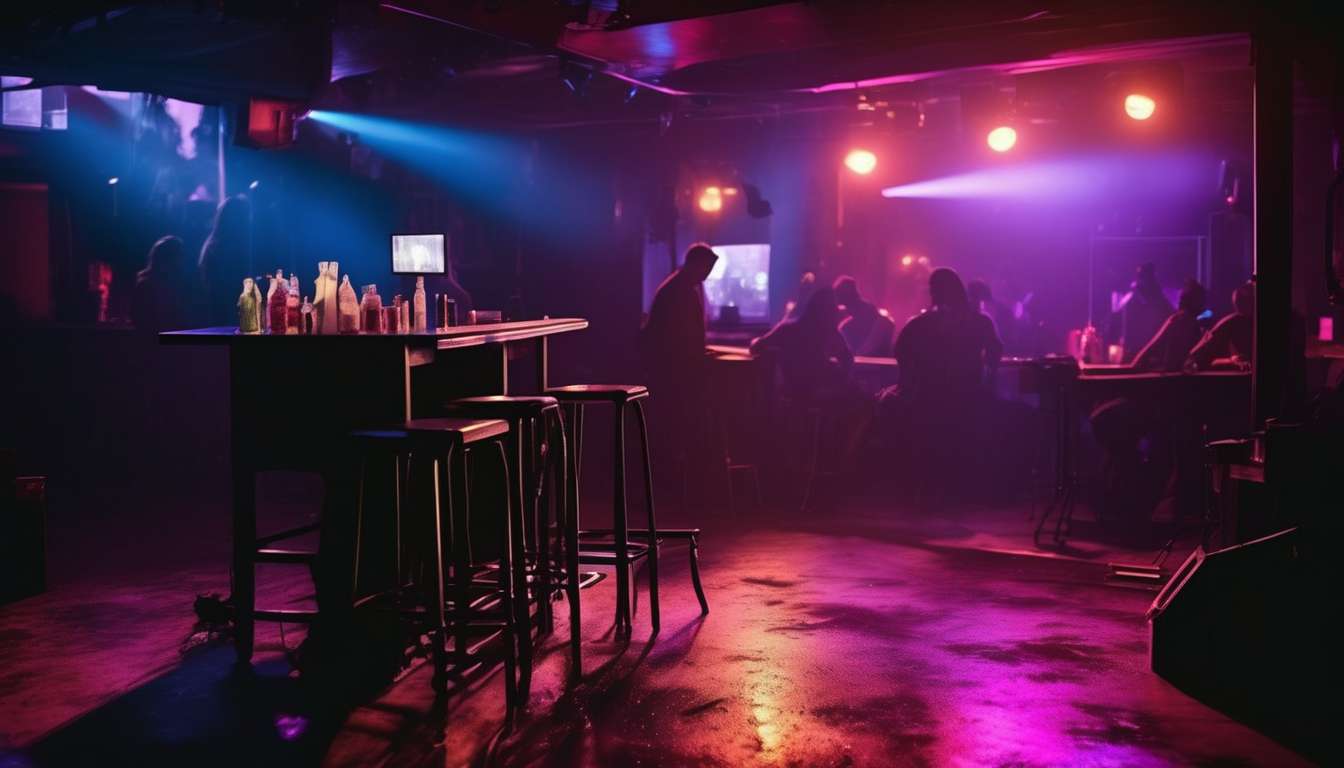
Diving into recent data, exotic dancing venues are rebounding faster than many other nightlife sectors, reshaping urban evening economies.
As we track reopening timelines, consumer spending, and employment figures, patterns emerge that link policy choices, shifting social norms, and pent-up demand.
We examine clustered recovery in cities with lenient capacity rules, contrasted with slower rebounds where licensing remained restricted.
We analyze how gig-like labor arrangements affected dancers’ return-to-work decisions.
Using multiple data sources to contextualize the microeconomics:
- Foot-traffic sensors
- Payroll records
- Survey responses
Key microeconomic themes identified:
- Tipping dynamics and income volatility
- Service competition among venues
- Venue diversification into alcohol, dining, and entertainment hybrids
We also explore how non-economic factors shaped recovery:
- Shifting media narratives
- Decriminalization movements
- Changes in public perception and patronage
Methodology blends quantitative and qualitative approaches:
- Quantitative modeling of spending, employment, and foot traffic
- Interviews with dancers, managers, and patrons
- Comparative policy analysis across municipalities
Findings suggest broader implications for cities:
- Contribution to urban resilience through night-time economic activity
- Role in the informal labor market and gig economy dynamics
- Impact on municipal revenue streams
Conclusion: recovery is proceeding unevenly across regions, driven by a combination of policy, social norms, labor arrangements, and venue strategies.
Recovery Overview
We’ll examine how exotic-dancing venues bounced back after the downturn, focusing on demand, supply, and policy drivers.
We felt the shock together, and our research shows a pattern of strip-club recovery driven by renewed nightlife spending and shifting labor dynamics.
Demand increased as patrons returned to communal venues seeking connection.
- Targeted promotions and safer, more welcoming atmospheres helped rebuild trust.
- Patrons prioritized venues that offered consistent, inclusive experiences.
On the supply side, operators adapted to retain performers and attract customers.
- Flexible hours and diversified services broadened revenue streams.
- Investments in safer workplaces improved performer retention and public perception.
Labor dynamics shifted as performers negotiated improved terms.
- Better pay structures and more transparent scheduling increased financial stability.
- Collective approaches to safety and workplace norms strengthened bonds between performers and management.
Nightlife spending trends show modest increases in discretionary income translated into steady revenue gains when businesses prioritized inclusion and consistency.
- Gains concentrated where management and performers collaborated on fair contracts and community-oriented events.
- These collaborative efforts boosted both economic resilience and a sense of belonging.
Conclusion: the recovery of exotic-dancing nightlife was driven less by external policy changes and more by cooperative, internal adjustments that combined improved customer experiences, safer workplaces, and stronger labor-management relationships.
Policy and Licensing
We analyzed how local regulations and licensing reforms shaped venue operations, performer protections, and market entry during the recovery.
Key finding: Consistent, transparent licensing helped stabilize strip-club recovery by reducing sudden closures and enabling owners and staff to plan.
Mechanisms observed:
- When permitting processes were clear and nonpunitive, venues invested in safety measures and compliant layouts that reassured performers and patrons alike.
- Modest fee relief and phased renewals boosted operator confidence without undermining oversight.
We recognize communal stakes: Performers, managers, and neighborhood stakeholders wanted predictable rules that respected dignity and safety.
Positive outcomes from rights-respecting licensing:
- Licensing tied to training, health access, and fair complaint procedures improved labor dynamics, lowering turnover and fostering team cohesion.
- Where councils engaged with workers’ voices, policies balanced nuisance concerns with economic contribution, sustaining nightlife spending in ways residents could accept.
Recommendations to support ongoing recovery:
- Adopt rights-respecting licensing that links compliance with supportive measures (training, health access).
- Establish routine stakeholder consultation that includes performers, managers, and residents.
- Track metrics that measure both regulatory compliance and workforce wellbeing to inform adaptive policy.
Consumer Spending Trends
We tracked how consumer spending at exotic-dancing venues rebounded across evenings and weekends, identifying which service mixes and promotions drove sustained increases in per‑visit and per‑capita spending.
Strip‑club recovery followed distinct patterns:
- Bundled offerings (entry plus table service) consistently increased spend without diluting margins.
- Targeted happy‑hour pricing attracted earlier arrivals and extended dwell time.
- Curated event nights created repeatable reasons to visit and strengthened community feel.
We used transaction‑level data to pinpoint peak windows where groups spent more on bottles and tips, and scaled those insights into repeatable promotions.
- Promotions were designed to make patrons feel welcomed and part of a returning community.
- Timing, bundle composition, and staff incentives were aligned with identified peak windows to maximize lift.
We measured how menu clarity, visible pricing, and small loyalty perks increased average check size by reducing friction and encouraging longer stays.
- Clear menus and visible pricing reduced decision latency and increased add‑on purchases.
- Small loyalty perks (e.g., return discounts, prioritized seating) improved retention and average spend.
By sharing these findings with venue operators, we created a collaborative path forward that balanced revenue growth with a respectful atmosphere.
Our analysis shows that thoughtful pricing and promotion choices can sustain recovery while reinforcing a sense of belonging for regulars and newcomers alike.
Labor and Employment Dynamics
We examined how staffing levels, compensation structures, and scheduling practices adjusted during recovery and how those changes affected turnover, service quality, and labor costs.
Key methods and findings:
- We tracked strip-club recovery by surveying workers and managers.
- Flexible scheduling and mixed pay models (guarantees plus tips) helped retain performers and support staff.
- Modest increases in nightlife spending translated into higher shift coverage needs and a rebound in part-time hours, reducing burnout when clubs offered predictable blocks and peer-supported shift swaps.
Worker-led labor dynamics:
- Crews coordinated schedules and shared tips more transparently.
- Workers communicated needs to management and organized peer-supported shift swaps.
- That collective approach improved service quality and lowered vacancy rates without requiring large fixed wage hikes.
Role of tips and policy implications:
- There was continued reliance on tips, so policies improving transparency and safety strengthened belonging and predictability for employees.
- Thoughtful schedule design and inclusive payroll practices accelerated recovery while balancing labor costs and community wellbeing.
Venue Business Strategies
We adapted pricing, promotions, space use, and service offerings to regain customers while managing costs and regulatory risks.
We redesigned menus and tiered-entry fees so regulars felt valued and newcomers saw clear options, fostering a shared sense of belonging during recovery.
We rolled out targeted promotions tied to local events and partnered with nearby businesses to steer nightlife spending back into neighborhood corridors.
We reimagined floor layouts to balance intimacy, safety, and capacity constraints, creating spaces where patrons and workers both felt respected.
We expanded nonperformance revenue — bar packages, private booths, and themed nights — so income remained resilient without overreliance on a single stream.
We trained staff in customer care and compliance, aligning labor dynamics with venue goals to reduce turnover and maintain service quality.
We tracked outcomes closely and iterated offers that encouraged repeat visits and strengthened community ties while monitoring regulatory shifts.
Together, these strategies helped stabilize venues and strengthen the social fabric that sustains nightlife recovery.
Microeconomic Indicators
We track key microeconomic indicators to measure venue resilience and worker wellbeing.
- We monitor customer frequency and per-visit spending to see how changes in demand translate into revenue.
- We measure wage and tip patterns and service-hour elasticity to understand how income is generated and how sensitive earnings are to hours worked.
- We combine transaction-level data with anonymized staffing logs to determine whether longer shifts raise gross receipts or merely redistribute tips.
We track strip-club recovery through visitor return rates and revenue per service hour.
- We measure return rates of regulars and rates of new visitors to assess recovery momentum.
- We map shifts in nightlife spending to changes in revenue per service hour, which links patron behavior to venue-level finances.
We analyze labor dynamics by comparing demand patterns across time.
- We compare weekdays, weekends, and special-event nights to isolate demand responsiveness.
- We model how many dancers venues schedule, contract flexibility, and whether overtime or added shifts stabilize incomes.
- We analyze wage and tip patterns to understand income volatility across workers.
We share findings openly and focus on pragmatic adjustments.
- We disseminate results to managers, performers, and support staff so all stakeholders are included in planning.
- Our emphasis is on identifying micro-level adjustments that strengthen venues financially while supporting fair, predictable earnings for people who make nightlife thrive.
Social Perception Shifts
We examine how shifting public attitudes toward exotic dancing — including stigma, normalization, and policy debates — change patron behavior, worker wellbeing, and venue strategies.
As stigma eases, strip-club recovery often accelerates because regulars feel more comfortable returning and new patrons contribute to rising nightlife spending.
We track how changing norms influence patron demographics, length of stay, and spending, and we use that data to help venues adapt.
- Who shows up (demographics and group composition)
- How long they stay (visit duration, repeat visits)
- What they spend (average spend per patron, revenue mix)
We consider worker wellbeing and labor dynamics.
- Reduced stigma can improve mental health and inclusion.
- Workers may gain bargaining power and seek better terms and more stable schedules.
- Changes in wellbeing and labor arrangements can alter staffing, retention, and training needs.
We assess how policy debates and local regulations interact with public sentiment to shape costs and operations.
- Regulations can constrain or enable venue strategies (licensing, hours, proximity rules).
- Policy changes may increase compliance costs or open new business opportunities.
Throughout, we center belonging and clear measurement.
- We aim for workers, patrons, and managers to feel seen and connected.
- We prioritize clear metrics that link perception shifts to measurable economic changes during recovery (attendance, revenue, worker retention, wellbeing indicators).
Citywide Economic Impacts
Across the city, we measure how recovery in exotic dancing venues multiplies through tourism, hospitality, and local retail, affecting employment, tax revenue, and neighborhood vitality.
We treat strip-club recovery as part of a broader urban rebound.
- When patrons return, nightlife spending rises at nearby bars, restaurants, and rideshare services.
- Hotel bookings edge up on event nights.
We track labor dynamics closely, noting shifts that matter for household stability and local spending power.
- Changes in hours and tipping patterns.
- Secondary employment for dancers and support staff.
We map tax receipts and business licenses to quantify contributions to municipal budgets and services that benefit everyone.
We consider equity and inclusion to ensure gains are shared across neighborhoods and that workforce pathways exist for those seeking stable, alternative employment.
Together, we connect data to community priorities, showing how targeted support for responsible venues can reinforce a resilient local economy that welcomes diverse livelihoods and strengthens our collective sense of belonging.
How do seasonal weather patterns specifically affect attendance at exotic dancing venues compared with other nightlife spots?
We’re asking how seasonal weather patterns shape attendance at exotic dancing venues versus other nightlife spots.
Warmer, longer evenings boost outdoor and casual nightlife more.
- Outdoor bars, street fairs, and patios see higher attendance when evenings are warm and daylight lasts longer.
- Casual nightlife benefits from spontaneous foot traffic and open-air events.
Exotic venues see steadier attendance tied to tourism, holidays, and pay cycles.
- These venues rely less on favorable weather and more on scheduled demand from visitors and local income timing.
- Peak nights often align with tourist seasons, holiday weekends, and common payday periods.
Inclement weather pushes people to indoor options, sometimes helping exotic clubs.
- Rain or cold reduces casual foot traffic and outdoor events, redirecting patrons to indoor nightlife.
- However, poor weather can also depress overall turnout and cancel special-event nights.
We’re attentive to community needs and rhythms.
Planners and venue operators should consider weather, tourism calendars, pay cycles, and local event schedules when forecasting attendance.
What are the long-term health outcomes for performers returning to work after pandemic-related breaks?
We’re asking about long-term health outcomes for performers returning after pandemic breaks.
Many experience mixed effects.
- Improved mental health for those who welcomed the return — relief, regained purpose, and social reconnection.
- Increased musculoskeletal pain for others — deconditioning, hurried ramp-ups, and inadequate physical preparation.
- Respiratory issues — lingering post-viral symptoms and increased exposure in close-contact settings.
- Increased anxiety — performance pressure, fear of infection, and uncertainty about future disruptions.
Income instability and limited healthcare access worsen chronic conditions.
- Irregular work and lost earnings reduce the ability to afford treatment, preventative care, and rehabilitation.
- Lack of employer-provided healthcare or sick leave forces performers to work while ill or skip care, compounding long-term problems.
We advocate for supportive measures so recovery is sustainable and inclusive.
- Workplace policies that allow graduated returns, flexible scheduling, paid sick leave, and workload limits to prevent overuse injuries.
- Accessible healthcare including affordable primary care, musculoskeletal and respiratory rehabilitation, and occupational health services.
- Mental health services such as counseling, peer support groups, and stress-management programs tailored to performers.
- Peer networks and inclusion efforts to share recovery strategies, create mentorship, and reduce stigma around taking time for health.
Together, these measures can help performers recover sustainably, manage chronic conditions, and feel included as they return to work.
How do architectural design and lighting technologies in clubs influence customer spending and performer safety?
We’re asking how club design and lighting shape spending and safety.
Thoughtful layouts, clear sightlines, and tiered seating foster connection and longer stays, boosting tips and purchases.
Warm, adjustable lighting creates atmosphere while avoiding glare that risks trips or hidden hazards.
Integrated backstage access, non-slip floors, and panic-lit exits keep performers safe.
Together, inclusive design and smart tech help us feel secure, welcomed, and more willing to spend.
Conclusion
You’ve seen how exotic dancing nightlife rebounds through policy tweaks, shifting consumer spending, and venue strategies.
Now you know it’s driving local jobs and microeconomic signs of recovery.
As licensing and public perception evolve, businesses adapt to capture renewed demand while workers negotiate better conditions.
Your city’s broader economy benefits from increased tax revenue and urban vibrancy.
Continued monitoring of labor outcomes and community impacts will be key to sustaining an inclusive, resilient revival.