
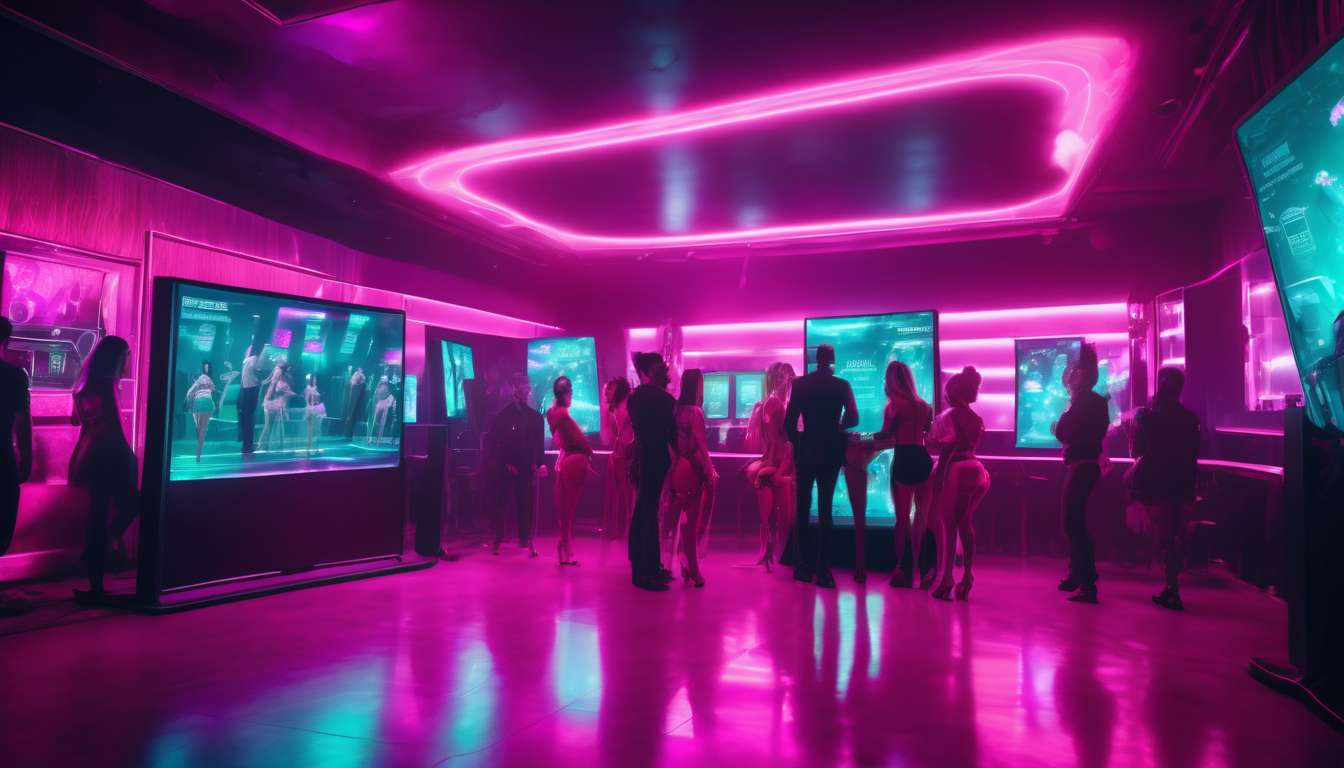
There’s a persistent myth that exotic dance events thrive only on improvisation, cash transactions, and last-minute arrangements.
Digital ticketing is reshaping how we plan, promote, and protect these nights.
We used to assume that intimacy and spontaneity would be compromised by formal systems, yet online platforms enable curated experiences, better crowd control, and targeted marketing without stripping atmosphere.
By digitizing access, we’re reducing entry friction, improving revenue forecasting, and creating safer environments for performers and patrons alike.
- Benefits include:
- Reduced entry friction — faster check-in, fewer lines, and easier customer communication.
- Improved revenue forecasting — advance sales data helps budgeting and staffing.
- Enhanced safety and crowd control — capacity tracking and contactless entry reduce risks.
We’re also able to gather anonymized data that informs scheduling, capacity limits, and promotional strategies while respecting privacy.
- Useful data points:
- Attendance patterns — peak times and repeat visitors.
- Capacity utilization — helps set safe limits and staffing levels.
- Promotion effectiveness — which channels and offers convert best.
As organizers, venues, and artists adopt these tools, collaborations become more strategic and events more sustainable.
This shift challenges long-held beliefs about authenticity in nightlife and opens opportunities to professionalize event planning without sacrificing the sensuality and creative freedom that define the scene.
Why Digital Ticketing Works
Digital ticketing streamlines entry, reduces fraud, and simplifies sales and attendance tracking for exotic dancing events, improving operational efficiency from the first point of contact.
We rely on clear, consistent systems so everyone feels included and safe from the moment they buy a ticket. Digital ticketing lets us monitor real-time capacity, improving crowd management and reducing bottlenecks without singling anyone out.
We can analyze attendance patterns to send respectful, community-focused promotions that match preferences. This targeted communication increases engagement while maintaining privacy and inclusivity.
We prioritize privacy and fairness through secure platforms that prevent scalping and duplicate entries. That protection builds trust among performers, staff, and attendees, encouraging repeat attendance.
Digital tools improve coordination with door teams and security, turning potentially chaotic moments into smooth transitions.
By embracing practical, data-driven practices, we strengthen our sense of belonging and make events more enjoyable, reliable, and welcoming for everyone involved.
Streamlining Entry Processes
We speed up entry by combining pre-scanned QR codes, staggered arrival windows, and clear signage so guests move through doors quickly and confidently.
- Pre-scanned QR codes let staff validate tickets in seconds and update capacity in real time.
- Staggered arrival windows prevent clustering at peak times and enable predictable flow.
- Clear signage paired with friendly ushers directs traffic and reduces hesitation.
We greet attendees as a community, guiding familiar faces and newcomers alike with staff who know names and preferences.
- Friendly greeters and ushers create a welcoming atmosphere and reduce dwell time at entry points.
- Staff familiarity with regulars speeds interactions; brief introductions help newcomers feel included.
Digital ticketing reduces bottlenecks and redirects late arrivals without confusion.
- Fast scans minimize queue length and idle staff time.
- Real-time capacity updates allow immediate rerouting of late arrivals to designated entrances.
We treat crowd management as care, not just logistics — mapping flows, assigning lanes, and keeping VIP and general queues distinct while preserving shared spaces for connection.
- Map entry and circulation paths to identify pinch points before doors open.
- Assign dedicated lanes and maintain clear distinctions between VIP and general access while leaving communal areas for socializing.
- Use staffing and signage to balance efficiency with inclusive interaction.
We use check-in data to reward loyalty and build belonging.
- Collect opt-in contact and attendance data at check-in.
- Send targeted promotions and follow-ups for future events.
- Personalize outreach based on past preferences to strengthen relationships.
Every touchpoint is intentional: fast scans, warm interaction, and transparent communication so guests feel respected, safe, and excited before they step into the room.
Revenue Forecasting Benefits
We can forecast revenue more accurately by leveraging real-time ticket sales, historical attendance patterns, and tiered pricing data to predict income and optimize staffing and inventory.
We use digital ticketing dashboards to see trends as they happen, letting us adjust promotions and resource allocation so everyone on the team feels confident and included.
By combining past event data with current sales velocity, we estimate likely turnout and revenue brackets, which helps us plan performer lineups, bar stock, and staffing levels without guesswork.
Targeted promotions become more effective when we know which buyer segments respond to early-bird or VIP offers; that precision increases conversion and strengthens community ties among regulars and newcomers.
Clear revenue forecasts also support shared decision-making about pricing experiments and special events, fostering a sense of ownership across staff.
While we respect crowd management practices elsewhere, here our focus is ensuring predictable income streams that let the whole crew:
- grow events sustainably,
- welcome patrons consistently, and
- thrive professionally and financially.
Safety and Capacity Controls
We use real-time ticketing limits and capacity alerts to prevent overcrowding, keep lines moving, and ensure staff can respond quickly to incidents.
Together, we set clear entry caps and communicate them through digital ticketing so everyone knows what to expect and feels included.
We monitor venue flow with simple dashboards, giving floor managers live updates to adjust entrance points and staffing.
We train teams to read alerts and act.
- Actions include:
- Re-routing arrivals.
- Opening secondary lines.
- Pausing sales.
Our crowd management protocols are shared with staff and regulars so responses feel familiar, not disruptive.
We use targeted promotions to smooth attendance peaks.
- For example:
- Offering off-peak discounts to community members who want flexibility.
- Reducing stress on doors and security by shifting demand.
By combining transparent rules, tech-driven alerts, and considerate incentives, we maintain safety without sacrificing the sense of belonging that keeps patrons and performers returning.
Data-Driven Scheduling
We analyze past attendance, performer schedules, and sales patterns to create lineups and shift rosters that match demand while protecting performer well-being.
We use digital ticketing data to see arrival patterns, which acts draw sustained interest, and which time slots need reinforcement.
By clustering attendance peaks, we schedule more experienced performers during high-capacity hours and ensure adequate breaks and transition time.
We balance opportunities so everyone feels valued by rotating prime slots fairly and transparently.
We tie scheduling to crowd management to reduce congestion and improve the guest experience.
- Staggered entry windows spread arrivals over time.
- Staggered set times reduce bottlenecks between acts.
- Real-time capacity monitoring lets us respond quickly to crowding.
Our team shares dashboards with performers so they can plan and voice preferences.
Integrated sales insights inform equitable scheduling decisions, even though we avoid targeted promotions in this context.
The result is a predictable, inclusive calendar that respects performers’ needs, keeps patrons engaged, and maintains safety and comfort.
Targeted Promotion Strategies
We’ll use ticketing and attendance data to segment audiences and deliver tailored offers that boost turnout while protecting performer safety and privacy.
We’ll craft targeted promotions that speak to different attendee groups—regulars, newcomers, and community supporters.
- Use digital ticketing platforms to send personalized incentives, early-access windows, and bundled deals.
- Prioritize inclusive language so everyone feels welcome.
- Let recipients control their preferences to honor boundaries.
We’ll align promotions with crowd management goals by spacing offers across dates and capacity tiers, reducing peaks that strain staff and compromise comfort.
- Coordinate promotions with entry flows and safety-conscious capacity plans.
- Space offers to avoid simultaneous high-demand dates and capacity tiers.
We’ll analyze redemption and attendance patterns to refine messaging and timing while minimizing surplus outreach.
- Track aggregate trends rather than individual movements to respect privacy.
- A/B test subject lines and offer types within privacy limits.
Outcome: Grow attendance sustainably while fostering belonging and protecting performers through respectful, data-responsible practices.
Performer and Venue Coordination
Clear schedules, communication protocols, and shared safety expectations.
We’ll establish schedules and protocols so performers and venue staff can coordinate reliably and respectfully.
We’ll use digital ticketing to centralize arrival times, set-change windows, and access permissions so everyone knows where to be and when.
We agree on concise channels — an event group chat plus an on-site point person — so last-minute updates don’t cause confusion.
We’ll document emergency procedures and crowd-management roles so performers feel protected and staff can act quickly.
Aligned promotion, feedback, and workload management.
- We’ll share promotional calendars and align targeted promotions with performer availability to avoid overbooking and honor work-life balance.
- We’ll include feedback checkpoints after events so performers and venue teams co-create improvements, reinforcing trust and belonging.
- We’ll track metrics from ticketing and entry flow to refine shift lengths and staffing levels.
Outcome: transparent, efficient, and sustainable operations.
By coordinating transparently we keep operations efficient, safety-focused, and respectful — making the event experience sustainable for everyone involved.
Preserving Atmosphere and Authenticity
We’ll protect the venue’s vibe and performers’ artistry by designing ticketing and entry processes that feel seamless, discreet, and true to the event’s identity.
We create digital ticketing flows that honor privacy, choice, and aesthetics so attendees arrive already aligned with the mood we cultivate.
We simplify check-in to avoid long lines and disruptions, pairing quick scans with staffing that respects performers’ prep and stage timing.
For crowd management, we balance admission pacing and capacity limits to keep energy intimate, not chaotic, and we use zone-based entries to preserve sightlines and comfort.
We allocate tickets for loyal patrons and newcomer welcome spaces so everyone feels included without diluting the core atmosphere.
Targeted promotions let us invite the right communities without massing mismatched expectations, keeping bookings consistent with our creative vision.
By coordinating tech, staff, and messaging, we maintain authenticity while scaling, ensuring every person who attends feels they belong and that the performance remains the event’s heart.
How do attendees without smartphones or reliable internet access purchase and use digital tickets?
How attendees without smartphones or reliable internet buy and use tickets
Phone orders and will-call pickup. Attendees can purchase tickets by phone and pick them up at a staffed will-call window on arrival. Staff will verify identity with a name or ID and issue an entry receipt.
Paper printouts and kiosk printing. Attendees can print tickets at home (if available) or use on-site self-service kiosks to print stored orders. Kiosks will accept order numbers, names, or ID to retrieve and print tickets.
Kiosk and staff-assisted onsite pickup. For those unable to print, staffed kiosks and ticket desks will retrieve orders and print or hand over physical receipts tied to the purchaser’s name or identification.
On-site Wi‑Fi and staff assistance. Reliable venue Wi‑Fi will be provided for guests who need it, and trained staff will assist with digital retrieval, printing, or alternative verification.
Printed receipts linked to name or ID. All paper tickets or receipts will include a name or ID reference so staff can confirm entry without a smartphone.
Clear pre-event communication. Ticketing options and alternative entry methods will be clearly communicated before the event via phone, email, website, and promotional materials so attendees know how to buy and access tickets.
Accessible entry and welcoming support. The event will honor accessible entry methods, ensure staff are prepared to accommodate varied needs, and make every attendee feel welcome and supported on arrival.
What legal or regulatory issues (e.g., local licensing, age verification, zoning) should organizers anticipate when switching to digital ticketing?
We’ll review licenses, permits, and local rules to make sure digital sales comply with liquor, adult-entertainment, and special-event requirements.
We’ll implement robust age verification and ID checks and follow data-privacy and payment-card rules.
We’ll respect zoning and noise ordinances and ensure operations fit local land-use and public-safety constraints.
We’ll plan for recordkeeping, tax remittance, and accessible ticketing for those without smartphones.
We’ll consult local counsel and regulators so we’re confident and included in our planning.
How are performer tips, private dances, and cash transactions handled alongside digital ticket sales to ensure fair compensation and reporting?
We’ll clarify how performer tips, private dances, and cash mix with digital ticket sales to keep compensation fair and reporting transparent.
Use POS and tip apps that route payments directly to performers when possible.
Enforce clear house policies on splits and fees.
Log private dance sales.
Keep secure cash handling with receipts.
Report earnings for tax purposes and offer opt-in payroll or 1099 options.
Train staff on consistent procedures.
Conclusion
You’re set up to run smoother, safer, and more profitable events by using digital ticketing.
Digital ticketing speeds entry, helps you predict revenue, and lets you control capacity for safety while preserving the club’s vibe.
You’ll use attendee data to schedule better, target promotions, and coordinate performers and venues more efficiently.
By adopting these tools thoughtfully, you’ll keep the atmosphere authentic and let creativity and community — not logistics — lead the show.